
About Kalbi
When people in Japan think of Yakiniku, “kalbi” is often the first cut of meat that comes to mind. Interestingly, kalbi isn’t a formal anatomical cut but a menu name taken from the Korean word “kalbi,” meaning “rib and surrounding meat.” In Japan, restaurants are not required to list precise cut names, so kalbi generally refers to cuts of beef short plate with high fat content and rich umami flavor. Originally, kalbi appeared on Yakinuku restaurant menus as a cheap cut and was served with the bones intact similar to sliced short ribs. Their sweet, fragrant fat that pairs perfectly with both tare sauce and rice firmly established them as a national favorite. “Kalbi” is a word that has come to symbolize the Japanese Yakinuku experience and is synonymous with a delicious dining experience, more than a strict cut of meat.
In recent years, the popularity of pork kalbi has boomed in Japan. While in Korea, “pork kalbi” commonly refers to bone-in pork similar to beef kalbi, in Japan it has come to mean pork belly cuts with its characteristic 3 layers: skin, lean meat, and fat. With the increasing popularity of Korean cuisine in Japan, the Korean national favorite samgyeopsal (griddled pork belly) has found a home in Japan as well as a style of enjoying fatty, flavorful meat.
Pork is often considered a “stamina food” in Japan–one that delivers energy and is packed with vitamins. Pork kalbi does not disappoint! Packed with B vitamins (B1, B6) and minerals like zinc, potassium, and phosphorus, pork kalbi is a favorite go-to food when you need a boost of energy after a long day.
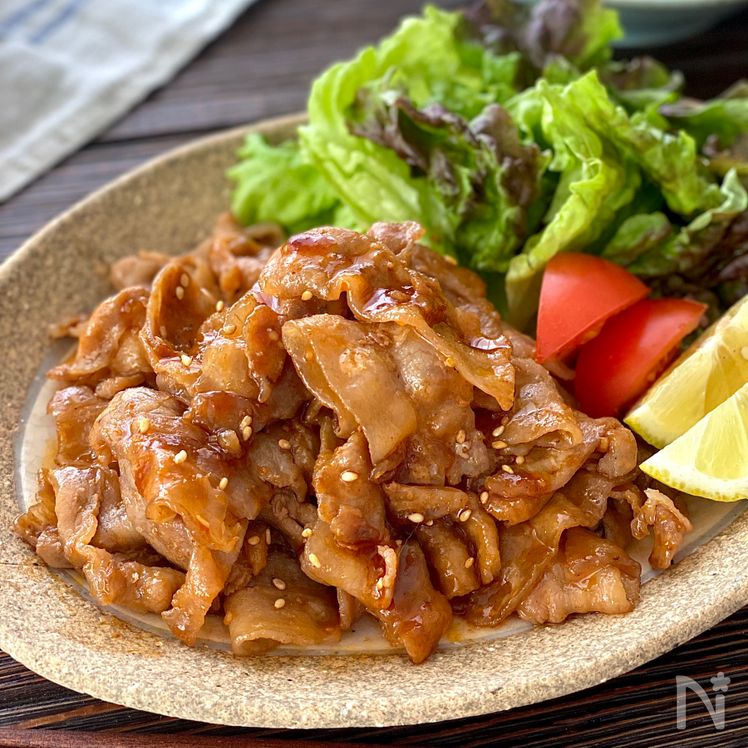
This recipe delivers a sweet–savory Yakiniku-style pork kalbi you can make in about 5 minutes. Eat as is, pile over rice, or wrap in lettuce—any way is delicious. Give it a try!
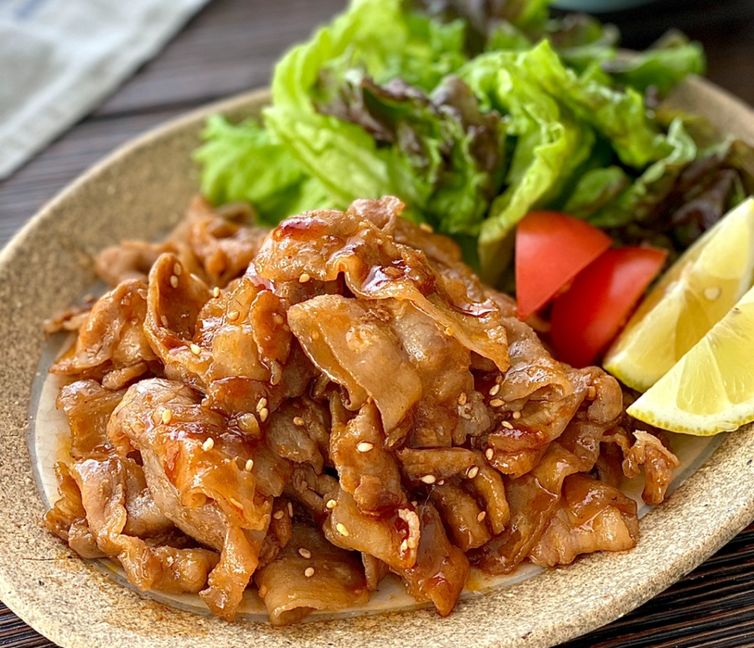
5 minutes

Chiori
PROFILE
INGREDIENTS
SERVES 2
Original recipe (1X) yields 2 servings
When scaling the recipe, the ratios of some ingredients may require slight adjustments. Adjust as necessary and season to taste.
- 7 oz thin-sliced pork belly
- A2 tsp. sake
- A2 tsp. mirin
- A2 tsp. soy sauce
- A2 tsp. gochujang
- A2 tsp. sugar
- A1 tsp. garlic paste (tube)
- AA dash of toasted sesame oil
DIRECTIONS
- 1
Prep. Cut the thin-sliced pork belly into bite-size pieces. In a small bowl, mix A ingredients (sake, mirin, soy sauce, gochujang, sugar, and garlic paste).
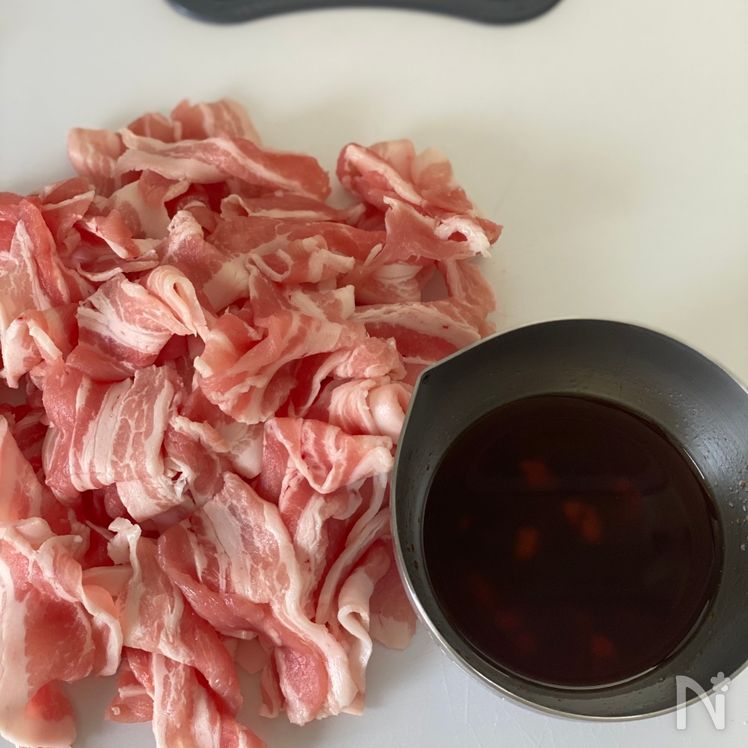
- 2
Sear. Heat a skillet (no need for oil) and cook the pork over medium heat. When cooked through, blot excess rendered fat with a paper towel.
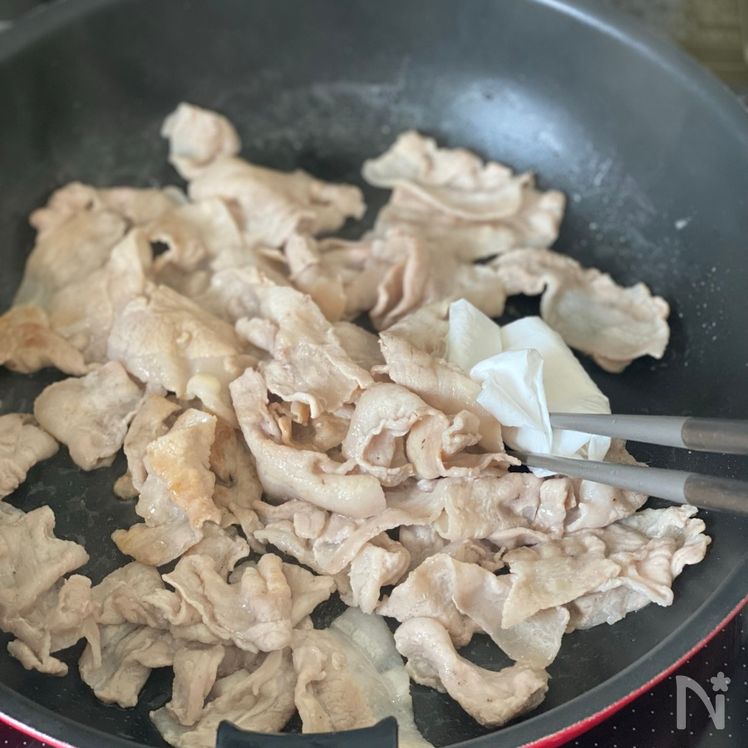
- 3
Glaze. Reduce to low heat, add the mixed A sauce, and simmer. Cook until the sauce reduces and glazes the pork. Turn off the heat and stir in a dash of sesame oil.
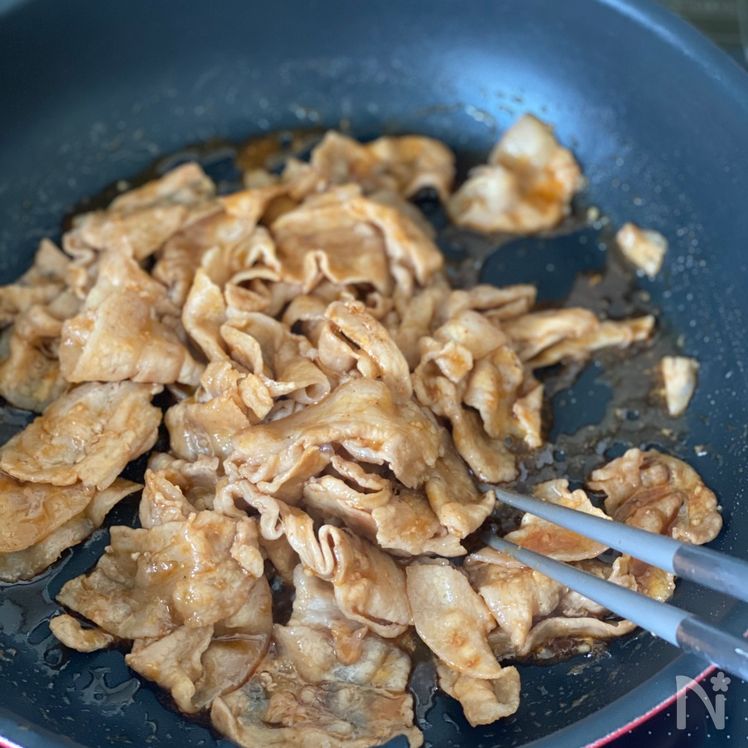
- 4
Serve. Plate and optionally sprinkle with toasted sesame seeds to taste.
RecipeID
317
Tips & Notes
Also tasty with beef. Pork shoulder (koma) or loin can be substituted for pork belly.
After wiping off excess fat in the skillet, reduce the heat before adding the sauce (A) to avoid scorching.
Freezer-friendly: keeps about 3 weeks.
MY RATING
Sign up or log in for free to submit your reviews!
GET STARTEDREVIEWS
Be the first to review!
I live in Sapporo, Hokkaido, and I’m a mother of two daughters who both love to eat. As a working mom, my realistic, everyday recipes have resonated with many, and as of May 2024, I’m grateful to have over 380,000 followers on Instagram. Thank you so much for your support! From a homemaker’s perspective, my motto is to create recipes that make families happy and help busy women. I share dishes that can be made even more delicious with just a small twist using seasonings you already have at home. Along with recipes, I also post daily tips on cooking techniques to enhance flavor and handy food storage methods that make life in the kitchen easier.