
About Yakiniku
Yakiniku is a Japanese style of dining where guests grill bite-size cuts of beef, pork, chicken, and organ meats offal (horumon) themselves over a tabletop grate or iron plate, then dip them in either a soy sauce-based tare (often blended with fruit, garlic, and sesame) or simply salt and lemon. While the word can refer to “grilled meat” in general, it usually is used when talking about this DIY restaurant style. Classic sides include kimchi, namul, bibimbap, cold noodles, and rice soups.
After centuries of taboos against meat eating dating to the 7th century, the Meiji era and an interest in all things Western re-introduced the concept of eating meat.The postwar years saw Korean-Japanese vendors popularize charcoal-grilled organ meats in black markets—forerunners of the modern Yakiniku shop.Around 1946, pioneer restaurants such as Tokyo’s Meigetsukan and Osaka’s Shokudōen appeared, and the cuisine spread nationwide in the 1950s. Bottled “Yakiniku no tare (sauce)” became common in 1968, bringing the taste of Yakinuku straight to home kitchens. The electric “Smokeless Roaster” tabletop grill, which was invented in 1979, minimized the amount of smoke created while grilling and helped make the dish more accessible to women and families. Restrictions on beef imports were liberalized in 1991, resulting in a boom of affordable Yakiniku chain restaurants alongside high-end Wagyu specialty restaurants.
Today, Yakiniku is a popular social way to dine out. Guests can choose whether to dip the savory bites in salt to draw out the natural flavor of the meat, or in a rich tare sauce. Choosing from a wide variety of cuts of meat and grilling them together to your preferred doneness is the perfect way to spark up a conversation. Diners will savor the conversation as much as the meat!Born of postwar stalls and uniquely evolved in Japan,Yakiniku ranges from an everyday treat to a celebratory feast.
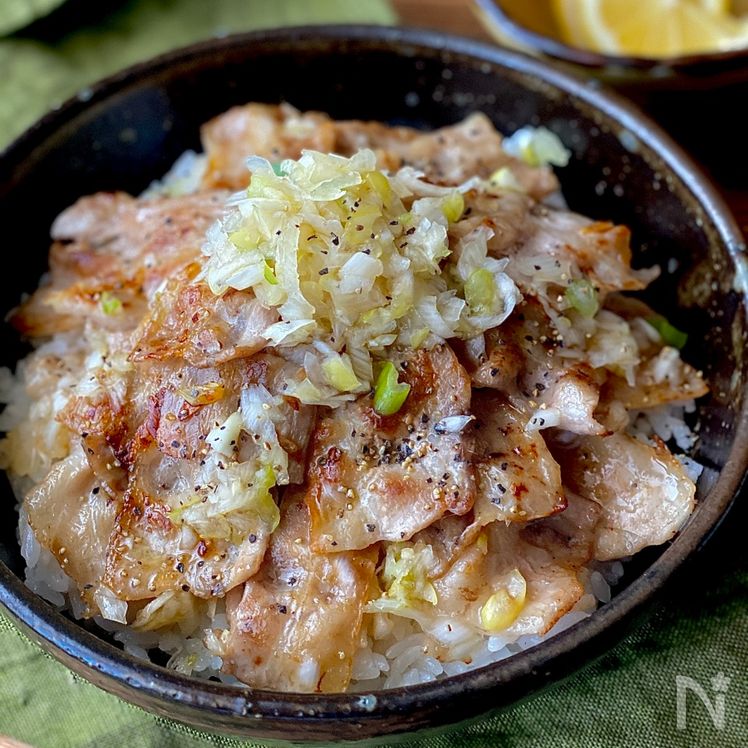
This recipe pans-sears pork belly until crisp and dresses it with a bright negi-shio (Japanese long onion and salt) sauce. For a refreshing “second act,” squeeze lemon juice over the bowl halfway through. I love ordering negi-shio at Yakiniku joints and piling it over hot rice with freshly grilled meat—here’s an easy way to recreate that at home.
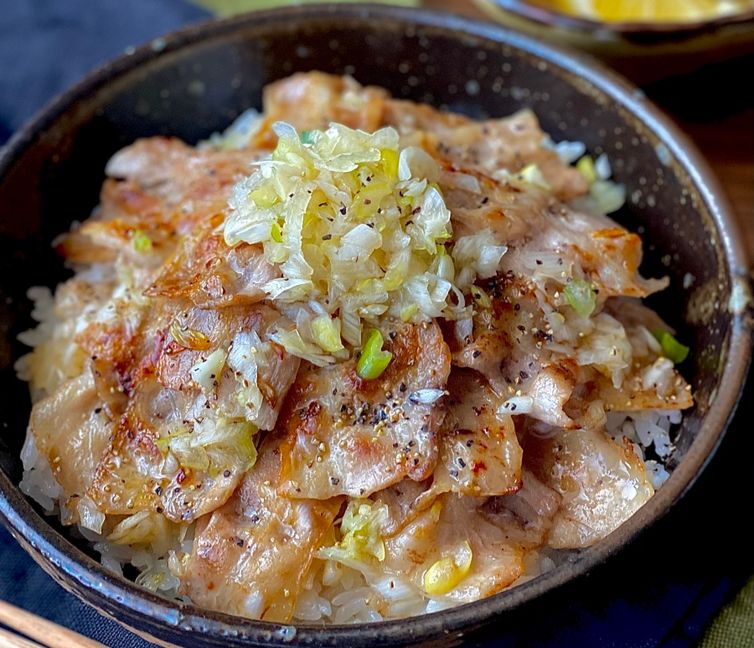
10 minutes

Chiori
PROFILE
INGREDIENTS
SERVES 2
Original recipe (1X) yields 2 servings
When scaling the recipe, the ratios of some ingredients may require slight adjustments. Adjust as necessary and season to taste.
- 168g thin-sliced pork belly
- 1/2 long green onion (negi), white part only—finely minced
- 2 bowls hot cooked rice (for serving; about 2 cups cooked)
- A5ml chicken stock granules/powder
- A5ml garlic paste (tube)
- A1.5ml vinegar (rice vinegar preferred)
- Apinches of sugar
- Apinches of salt
- B30ml water
- B5ml mirin
- B37.5ml toasted sesame oil
- BCoarsely ground black pepper, to taste
DIRECTIONS
- 1
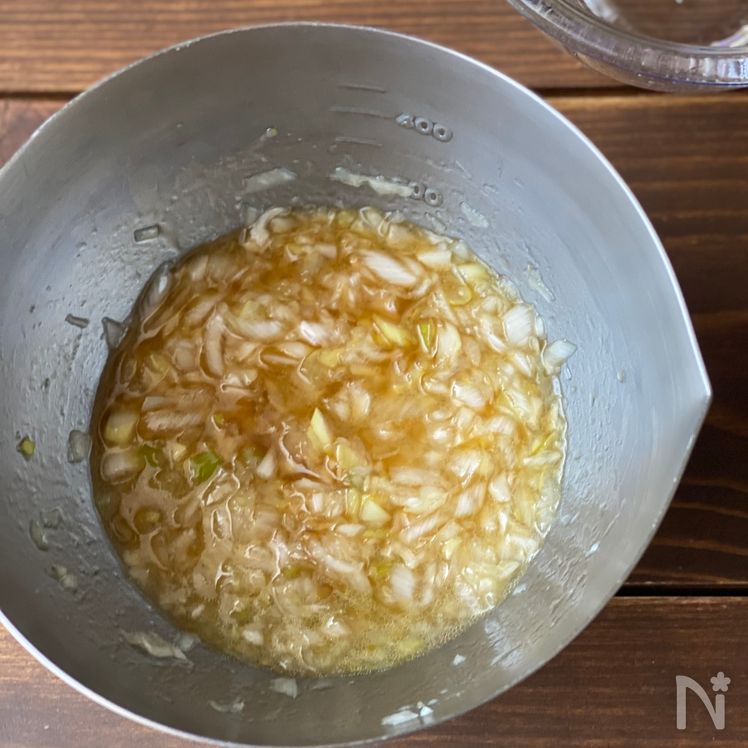
Make the negi base. Put the minced white part of the long green onion in a bowl. Add A (heaping 1/2 tsp. chicken stock, 1/2 tsp. garlic paste, 1/4 tsp. vinegar, and 2 pinches each of sugar and salt and mix well.
- 2
Warm B, finish the sauce. In a microwave-safe cup, combine B (2 tbsp. water and 1 tsp. mirin). Cover and heat 30 seconds at 600 W. Add this to the bowl and mix; then stir in 2 1/2 tbsp. sesame oil until glossy.
- 3
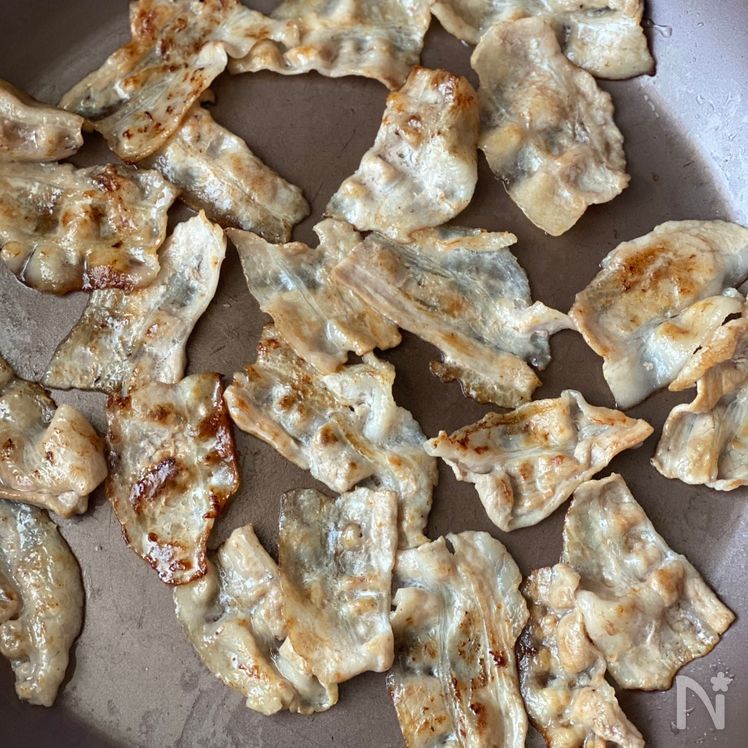
Crisp the pork. Without adding oil, place the pork belly in a cold skillet, sprinkle with a little salt, and turn to medium heat. Cook, turning, until evenly browned and crisp at the edges.
- 4
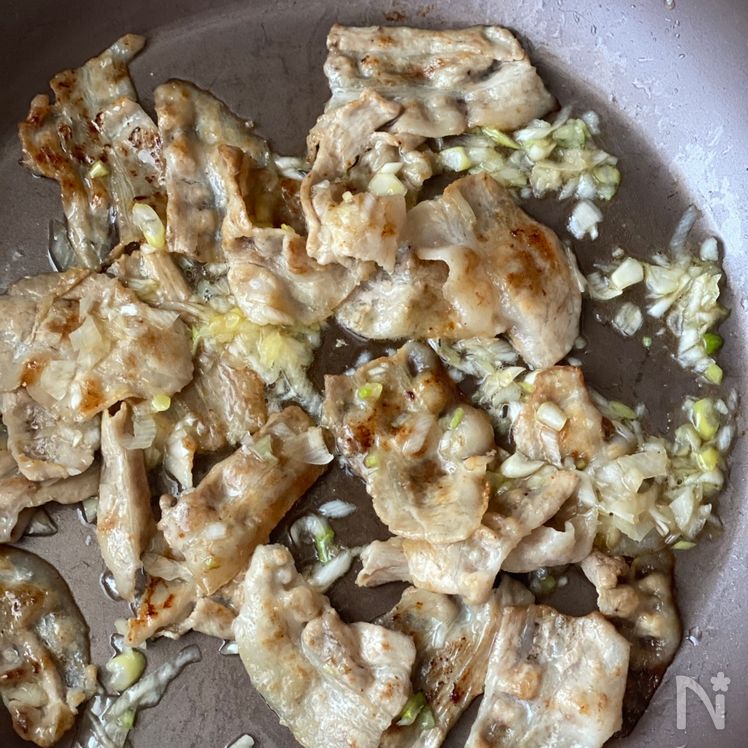
Glaze lightly. Blot excess fat from the pan with a paper towel, reduce to low heat, add 2 tbsp. of the negi-shio sauce, toss to coat, then turn off the heat.
- 5
Assemble. Scoop hot rice into bowls, top with the pork, and spoon the remaining negi-shio sauce over the top. Finish with coarsely ground black pepper to taste.
RecipeID
311
Tips & Notes
・The negi-shio is intentionally lightly salted; adjust with a pinch more salt if you prefer.
・Pork belly renders plenty of fat—don't oil the pan. Cook until nicely crisp for the best aroma and texture.
・A squeeze of lemon juice over the bowl midway through gives it a refreshing additional flavor.
MY RATING
Sign up or log in for free to submit your reviews!
GET STARTEDREVIEWS
Be the first to review!
I live in Sapporo, Hokkaido, and I’m a mother of two daughters who both love to eat. As a working mom, my realistic, everyday recipes have resonated with many, and as of May 2024, I’m grateful to have over 380,000 followers on Instagram. Thank you so much for your support! From a homemaker’s perspective, my motto is to create recipes that make families happy and help busy women. I share dishes that can be made even more delicious with just a small twist using seasonings you already have at home. Along with recipes, I also post daily tips on cooking techniques to enhance flavor and handy food storage methods that make life in the kitchen easier.