
About Tori-Ten
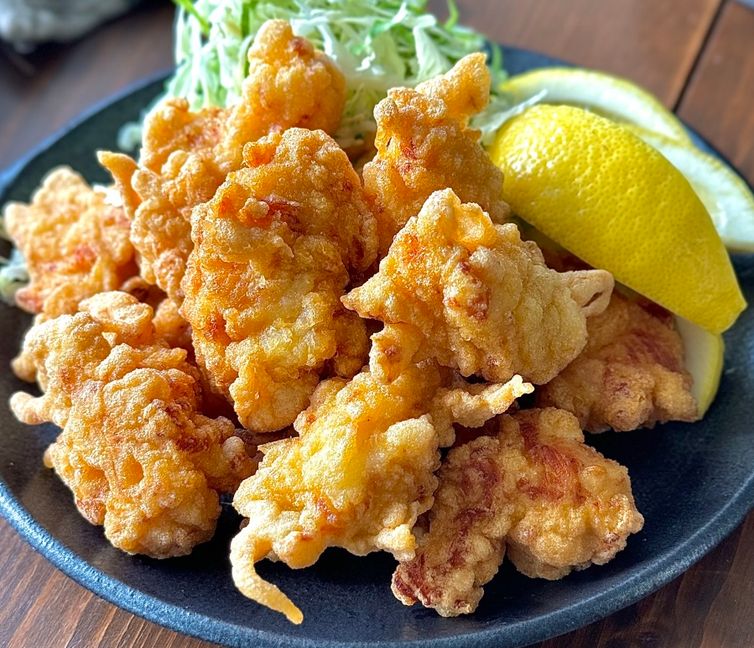
Tori-ten (chicken tempura) is a local dish from Ōita Prefecture. This classic style marinates chicken thigh or breast with soy sauce and garlic, coats it in tempura batter, and fries it crisp, then serves it with karashi mustard and vinegared soy sauce or ponzu. Many restaurants claim to have created the first Tori-ten: Beppu’s long-standing Tōyōken, the city’s Mitsuba Grill, and Ōita City’s Ikoi and Kitchen Maruyama. Another possible origin lies in thrifty home cooking: When chicken was expensive, home cooks sometimes used a thicker batter to “stretch” it. This nostalgic connection to home cooking is another reason that the contrast of airy crunch and juicy meat is well-loved.
Ōita Prefecture is known for chicken dishes, and tori-ten stands alongside karaage as an everyday staple. It spread from local restaurants, set-meal shops, and cafés to tourist spots; an Ōita-born chain even made “tori-ten set meals” a permanent menu item. National chain restaurants have even featured it as a limited-time specialty regional showcase item.Easy to make at home—and now common in supermarkets, deli counters, convenience stores, and online markets—it has become a familiar dish nationwide.
Today, tori-ten is a “light” fried item that pairs well with both rice and drinks. Its well-seasoned chicken, crispy and fluffy batter, clean finish from the addition of vinegar, and karashi mustard finish have boosted this dish from a local specialty to a national favorite.
This recipe delivers a crisp, fluffy coating with juicy, umami-rich chicken that still tastes great even after it cools. It’s pre-seasoned, so it can go straight into lunch boxes. Also excellent with salt and lemon or yuzu-koshō.
15 minutes

Chiori
PROFILE
INGREDIENTS
SERVES 2
Original recipe (1X) yields 2 servings
When scaling the recipe, the ratios of some ingredients may require slight adjustments. Adjust as necessary and season to taste.
- 9 oz chicken tenderloins (sasami)
- A1 tbsp. sake
- A2 tsp. soy sauce
- A2 tsp. toasted sesame oil
- A1 tsp. sugar
- A1 tsp. grated ginger
- A1/3 tsp. salt
- 1 egg, beaten
- B3 tbsp. all-purpose flour
- B3 tbsp. potato starch
- B1 tbsp. water
- B1 tsp. vinegar
- Neutral oil, for frying (about 1/2 in. / 3 cm depth)
DIRECTIONS
- 1
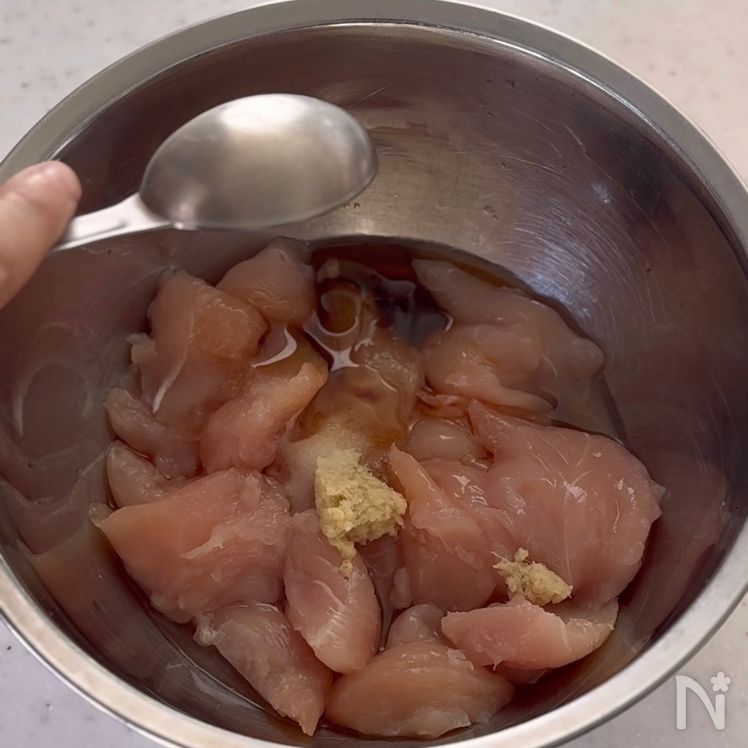
Prep & marinate. Remove the tendons from the tenderloins. Slice each on the bias into 4 pieces. Place in a bowl and knead in A (sake, soy sauce, sesame oil, sugar, grated ginger, and salt) Let sit 10 minutes.
- 2
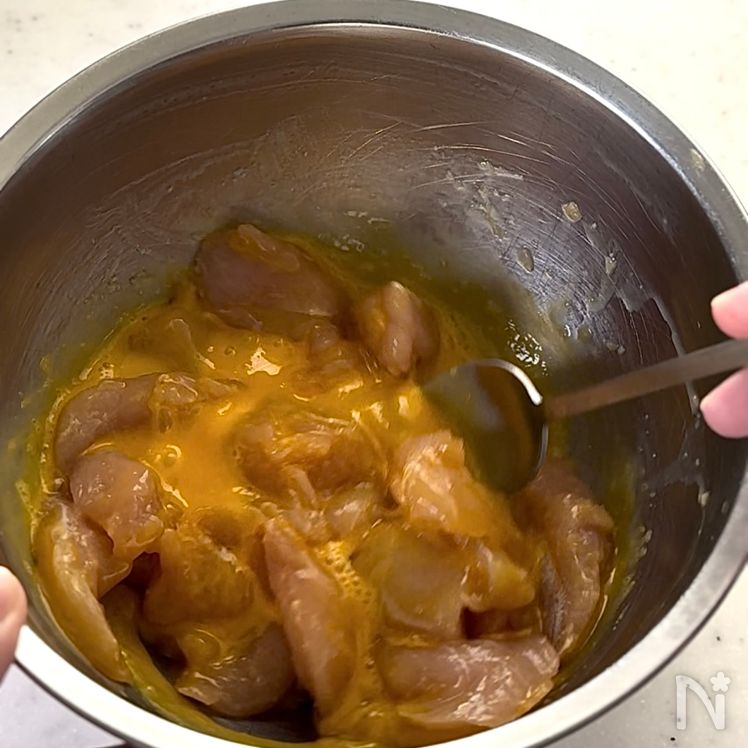
Add egg. Pour in the beaten egg and mix to coat evenly.
- 3
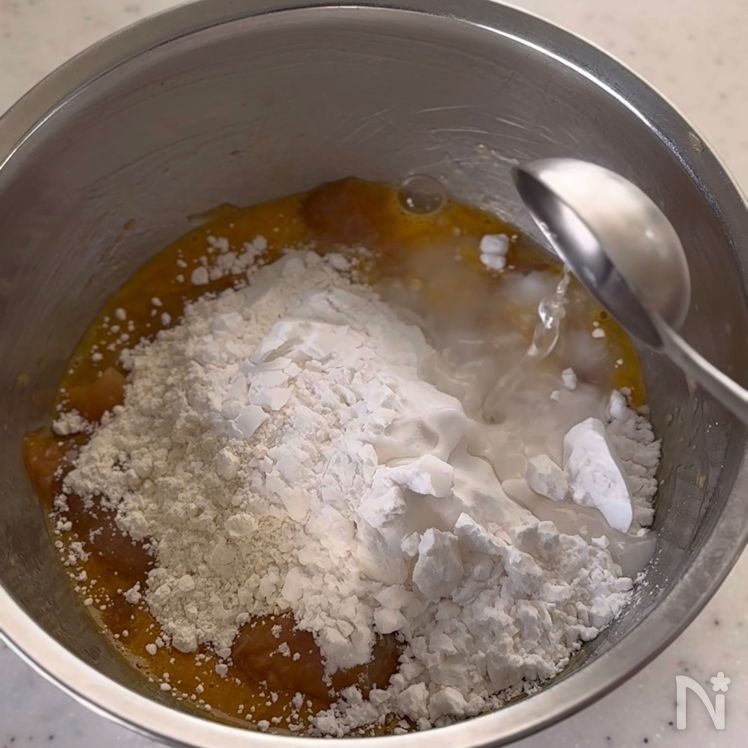
Make the batter (lightly). Add B (3 tbsp. flour, 3 tbsp. potato starch 1 tbsp. water 1 tsp. vinegar) and fold together just until just combined (do not overmix).
- 4
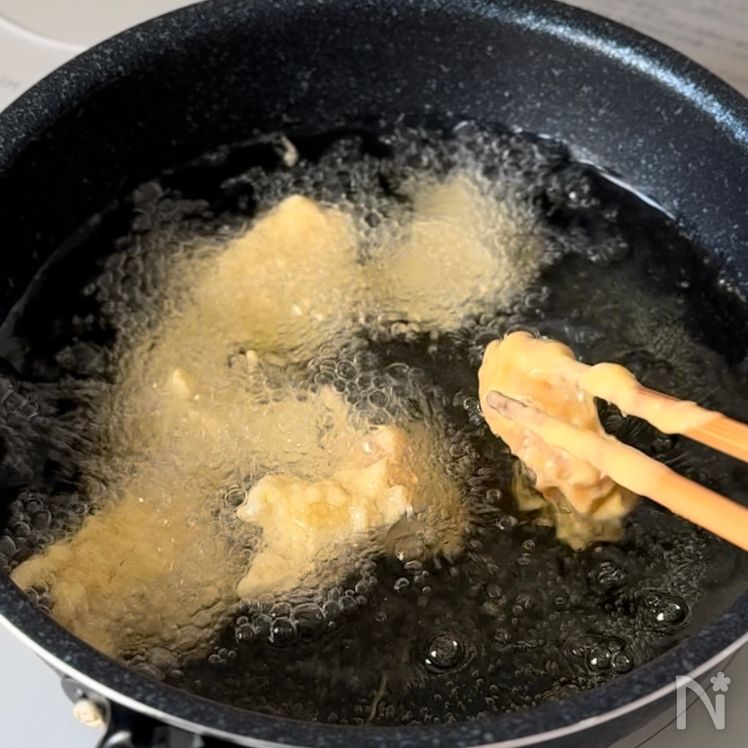
Fry. Fill a frying pan with oil about ½ in. deep and heat over medium heat.When hot, slide in the battered chicken and fry for about 3 minutes, until crisp and lightly golden. Drain well.
- 5
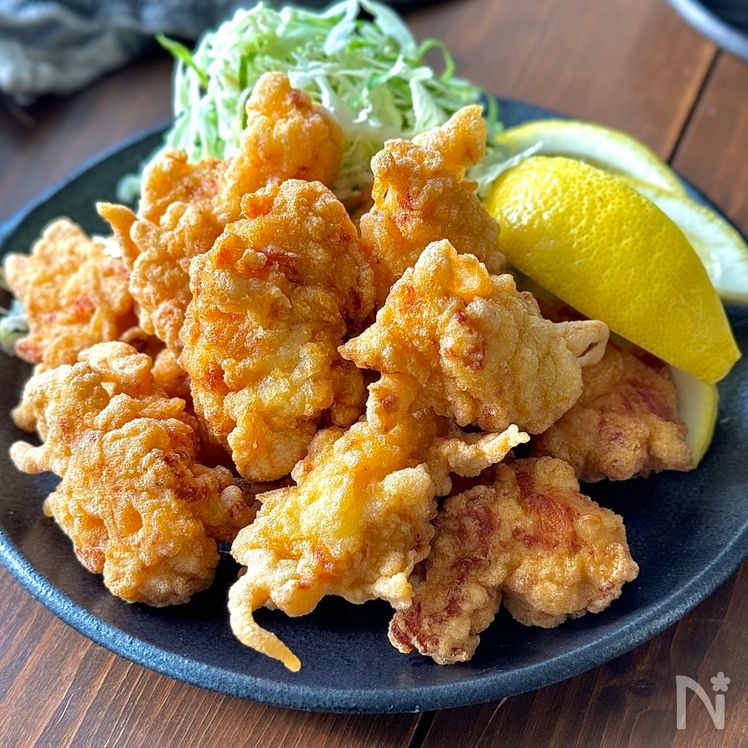
Serve. Plate and serve with vegetables or lemon wedges to taste.
RecipeID
310
Tips & Notes
・Seasoning is on the bold side; reduce the salt if you prefer a lighter taste.
・You can substitute chicken breast or thigh.
・Do not overmix the batter.
・A little vinegar in the batter boosts crispness and helps keep the coating from getting heavy as it cools (optional to omit).
・Adding grated garlic to A is also delicious.
・Serve with karashi + vinegared soy sauce or ponzu; also great with salt & lemon or yuzu-koshō.
MY RATING
Sign up or log in for free to submit your reviews!
GET STARTEDREVIEWS
Be the first to review!
I live in Sapporo, Hokkaido, and I’m a mother of two daughters who both love to eat. As a working mom, my realistic, everyday recipes have resonated with many, and as of May 2024, I’m grateful to have over 380,000 followers on Instagram. Thank you so much for your support! From a homemaker’s perspective, my motto is to create recipes that make families happy and help busy women. I share dishes that can be made even more delicious with just a small twist using seasonings you already have at home. Along with recipes, I also post daily tips on cooking techniques to enhance flavor and handy food storage methods that make life in the kitchen easier.