
About Yakitori
Yakitori is one of Japan’s iconic casual foods: bite-size pieces of chicken skewered and char-grilled over direct heat. Seasoning is typically either tare—a soy sauce–mirin–sake glaze—or simple shio (salt) to highlight the meat’s flavor. A wide range of cuts are used: thigh, breast, negima (chicken with Japanese long onions), tsukune (meatballs), skin, heart, liver, gizzard, cartilage, and more. Vegetable skewers like Japanese long onions, shiitake, and ginkgo nuts are staples too. In some regions of Japan,skewers made from pig organ meats—yakiton—may also appear under the yakitori umbrella.
Chickens have been present in Japan as domesticated fowl from the late Neolithic period. Due to taboos on eating meat in the Heian era, game birds like pheasant were more common fare;in the medieval to Edo periods, records mention “grilled bird” and “yakitori.” Skewered sparrows became a popular street food sold to shrine visitors in the Edo period, and records from the mid-Edo period mention skewering chicken—the groundwork for today’s yakitori. In the Meiji era, street stalls spread and made use of chicken trimmings and organ meats; pork and beef organ meat skewers followed. Stalls surged after the 1923 Great Kanto Earthquake and again in the black markets post WWII. From the late 1950s, the use of mass production broilers helped make yakitori more affordable and accessible.Somewhat later on, premium breeds of chicken like Hinai-jidori and Nagoya Cochin rose to prominence. Today yakitori ranges from high-end specialty shops to izakaya pubs, deli counters, convenience stores, and online markets—truly a national favorite.
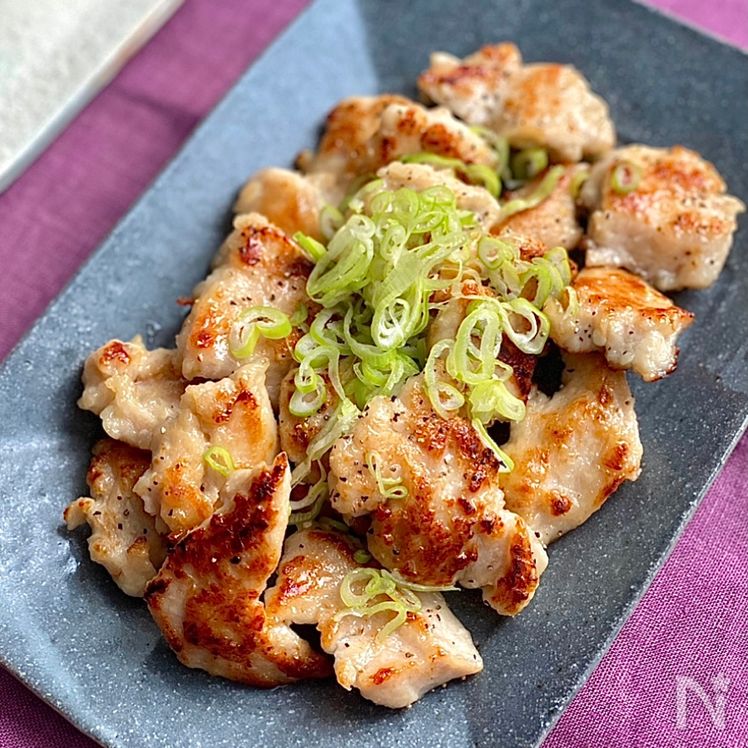
This recipe recreates a yakitori-shop vibe without skewers, using chicken breast that stays tender and juicy. You simply knead in an umami-rich shio-dare (savory salt–garlic sauce), then cook it in a skillet—easy and addictive.
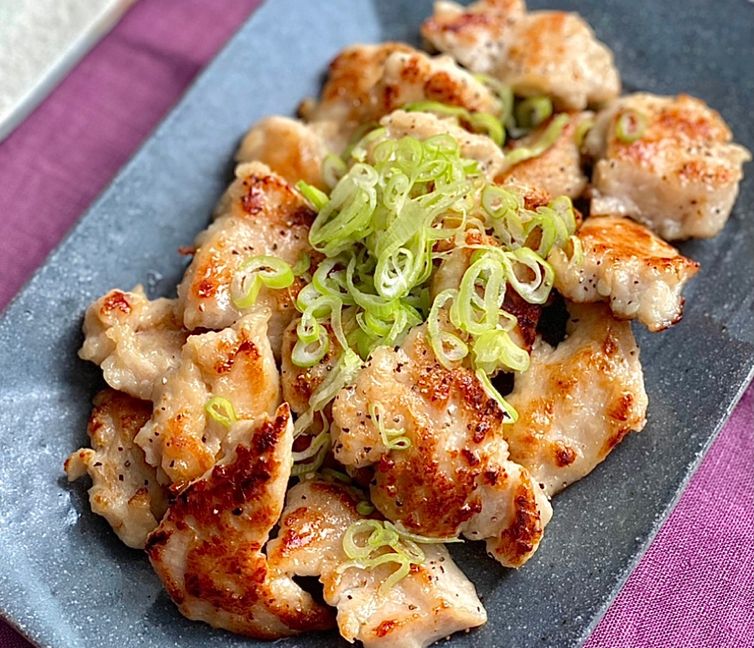
15 minutes

Chiori
PROFILE
INGREDIENTS
SERVES 2
Original recipe (1X) yields 2 servings
When scaling the recipe, the ratios of some ingredients may require slight adjustments. Adjust as necessary and season to taste.
- 280g chicken breast
- 15ml neutral oil (for pan)
- Coarsely ground black pepper, to taste
- chopped scallions and lemon wedges (Optional)
- A5ml sugar
- AA pinch of salt
- A2.5ml vinegar (rice vinegar preferred)
- A10ml chicken bouillon granules/powder
- A2.5ml garlic paste (tube)
- A7.5ml sake
- A5ml toasted sesame oil
- A15ml potato starch (add last; cornstarch works in a pinch)
DIRECTIONS
- 1
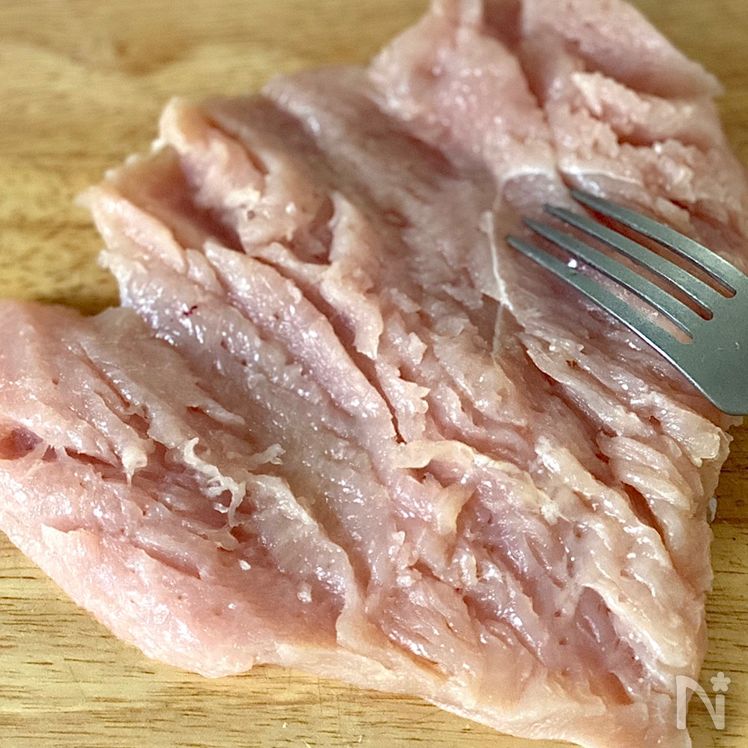
Butterfly & slice. Butterfly the thickest part of the chicken breast (like opening a book), then pierce all over with a fork. Slice thinly on the bias into bite-size pieces.
- 2
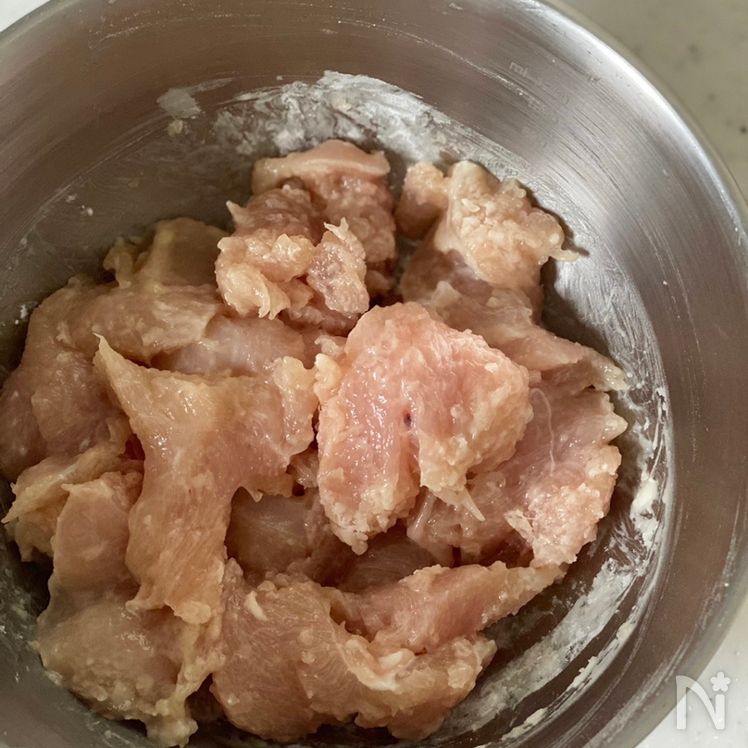
Marinate (in order!). Place the chicken in a bowl. Add the A ingredients in the listed order, kneading after each addition: sugar → salt → vinegar → chicken bouillon → garlic paste → sake → sesame oil → potato starch last. Knead well and let sit for 5 minutes.
- 3
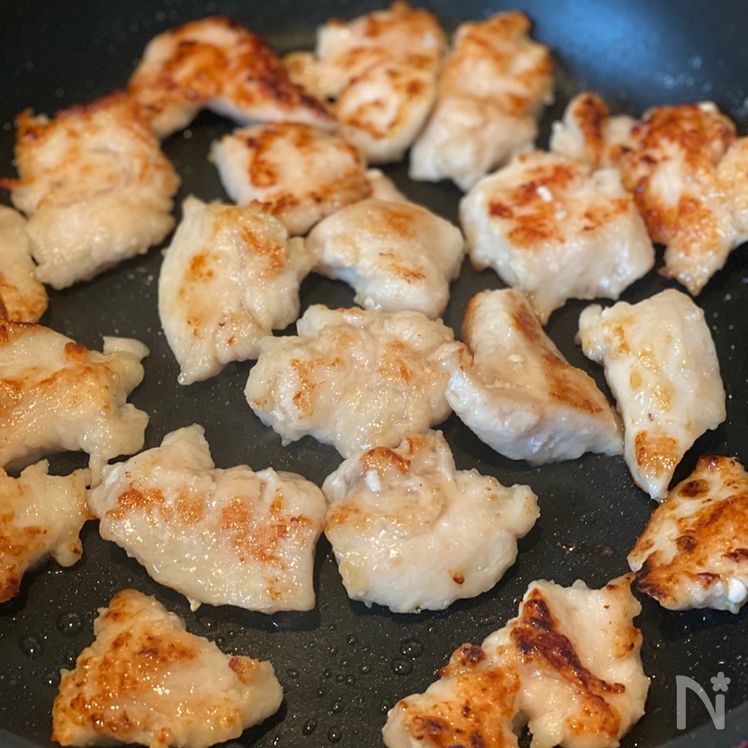
Pan-cook. Heat 1 tbsp. oil in a skillet. Add the chicken in a single layer and cook over medium-low to medium heat for 2–3 minutes until browned. Flip, reduce to low, and cook for about 5 minutes until just cooked through.
- 4
Finish. Plate, sprinkle with coarsely-ground black pepper, and, if you like, top with chopped scallions and a squeeze of lemon juice.
RecipeID
309
Tips & Notes
The seasoning is on the robust side; reduce the marinade ingredient amounts slightly if you prefer a lighter taste.
Chicken browns quickly—adjust the heat so it doesn't scorch before the inside cooks through.
A touch of vinegar in the marinade helps keep the chicken tender and moist.
Scallions and lemon complement shio-dare perfectly—add to taste.
MY RATING
Sign up or log in for free to submit your reviews!
GET STARTEDREVIEWS
Be the first to review!
I live in Sapporo, Hokkaido, and I’m a mother of two daughters who both love to eat. As a working mom, my realistic, everyday recipes have resonated with many, and as of May 2024, I’m grateful to have over 380,000 followers on Instagram. Thank you so much for your support! From a homemaker’s perspective, my motto is to create recipes that make families happy and help busy women. I share dishes that can be made even more delicious with just a small twist using seasonings you already have at home. Along with recipes, I also post daily tips on cooking techniques to enhance flavor and handy food storage methods that make life in the kitchen easier.