
秋葵原產於非洲東北部,歷史悠久,可追溯至公元前2世紀的古埃及。
秋葵於江戶時代末期傳入日本,但其獨特的口感和草腥味起初未能贏得當地人的喜愛。然而,在第二次世界大戰期間,在東南亞就地取食的日本士兵逐漸認識到秋葵的耐旱性和營養價值。戰後歸國的士兵們協助推廣了秋葵的種植。
到了1960至70年代,秋葵在日本以「體力蔬菜」之名獲得廣泛認可,因其豐富的營養素和溫和滑潤的口感而備受珍視。如今,它已成為日本夏季料理的主角,常見於沙拉、湯品、天婦羅等各式菜餚中。
秋葵標誌性的滑膩感來自果膠等有益健康的化合物,果膠有助於促進消化、調節血糖及降低膽固醇。秋葵也富含鈣質、鐵質和維生素C,是對抗夏季疲勞的絕佳食材。
這道料理將生秋葵以薄豬肉片包裹,經煎製後在甜鹹醬油底的醬汁中燉煮而成。請盡情享受秋葵微脆的口感與其滑嫩收尾之間的美妙對比。
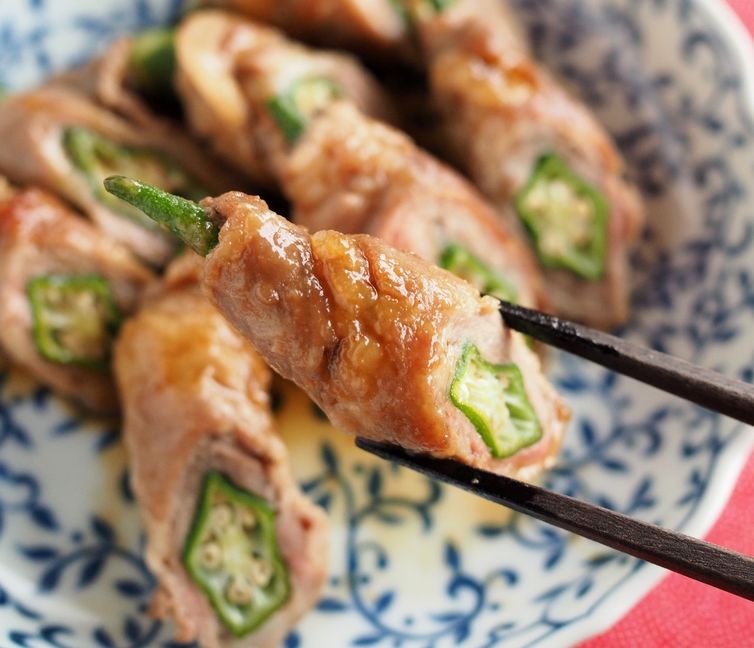
查看更多照片(3)
烹飪時間
15 分鐘
評分
分享

Artist
Etsuko Tamada
個人資料
食材
份量 2
原始食譜(1倍)可製作 2 份
調整食譜份量時,部分食材的比例可能需要微調。請根據實際情況調整,並按口味進行調味。
- 10 整根秋葵
- 10 薄切豬肩肉片 (如果買不到,可以用培根代替)
- 鹽和胡椒,適量
- 麵粉,適量
- 1 tsp. 植物油
- A2 tbsp. 醬油
- A2 tbsp. 清酒
- A1/4 cup 味醂
步驟
準備工作
用鹽揉搓秋葵,然後用水沖洗乾淨。切去莖部和褐色尖端。用廚房紙巾擦乾。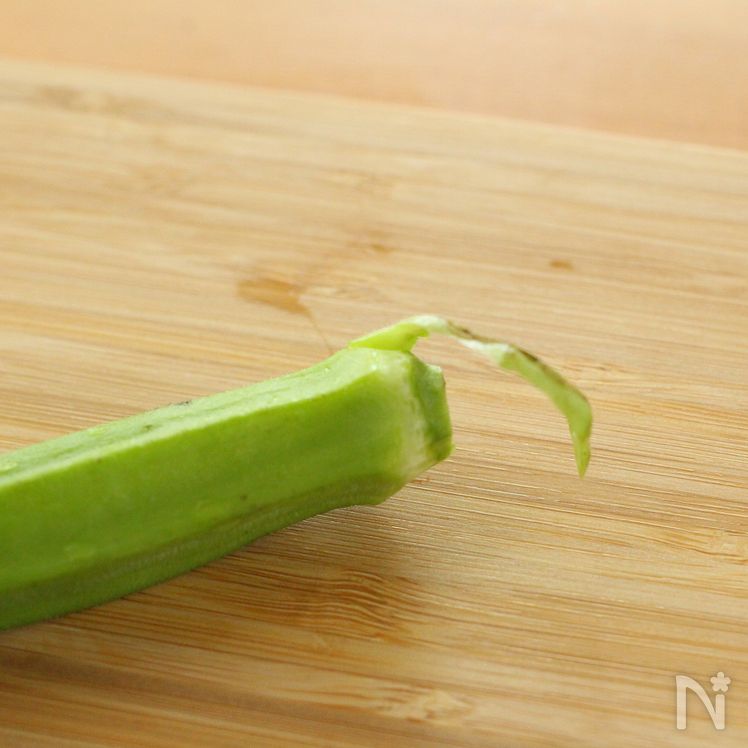
- 1
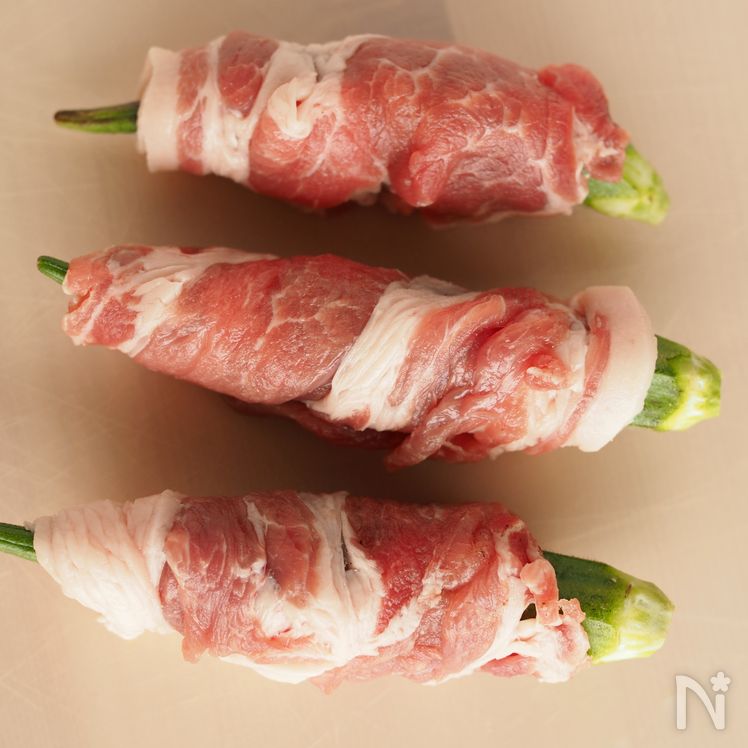
用鹽和胡椒給豬肉片調味。將每根秋葵用一片豬肉捲起來,讓秋葵兩端露出,以保持整潔的外觀。
- 2
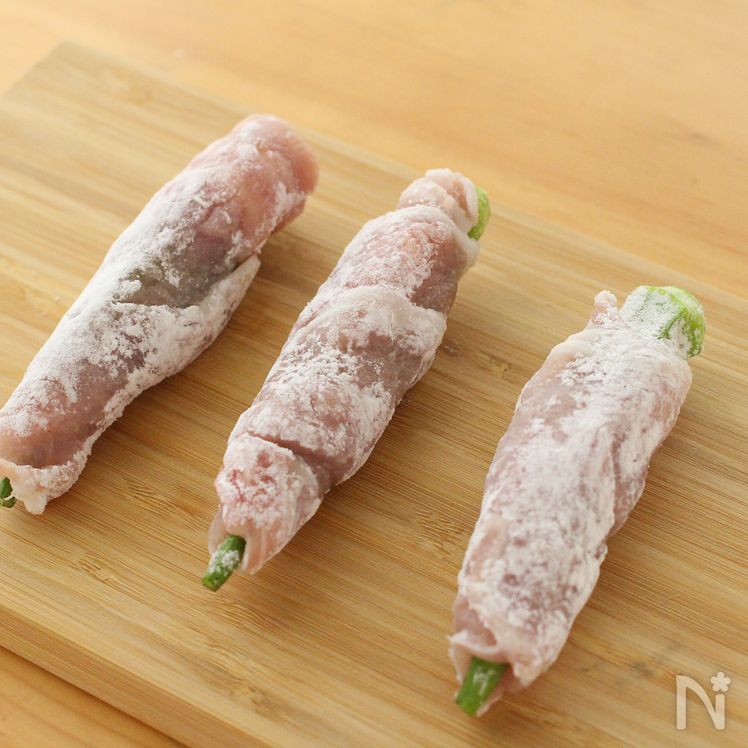
將裹好的秋葵輕輕裹上麵粉。在平底鍋中用中火加熱植物油,將秋葵捲接縫朝下放入鍋中。翻滾使其均勻上色。變金黃後,蓋上鍋蓋悶煎3至4分鐘。
- 3
用廚房紙巾擦去多餘的油脂。加入A組調料(醬油、清酒、味醂),短暫燉煮至醬汁略微濃稠。
食譜ID
117
小提示與備注
使用薄如紙的豬肉片(如涮涮鍋用的)可縮短烹飪時間,也更方便孩子食用。
無需提前汆燙秋葵——直接生捲能更好地保留其口感。
我的評分
註冊或免費登入以提交您的評價!
立即開始評價
成為第一個評價的人!
"I am a food education instructor, photo stylist, and mother of three. In 2016, I launched the food education school Aozora Kitchen Ichikawa, where I have taught lessons to over 7,000 children. After working in marketing at a food manufacturer, I was inspired by my desire for children to experience a variety of foods from an early age. This led me to become an independent culinary expert and open Aozora Kitchen Ichikawa to support mothers struggling with picky eaters. My lessons—tailored to each child’s developmental stage—focus not only on cooking skills but also on developing listening and thinking abilities, as well as learning about nutrition and food culture in a fun way. For those who cannot attend in person, I created a fully supported online parent-child cooking program. This unique program combines cooking lessons with food education lectures, guidance on proper posture, optional chopstick training, and mental support for mothers. Even if a mother lacks confidence in cooking, this program helps children build lifelong healthy eating habits. My specialties include recipes children can help make, and nutritious, well-balanced dishes that busy families can easily prepare and that children will love. In addition to recipe development, I hold food education seminars to help children overcome a dislike of vegetables, run corporate cooking classes, write columns, and work in food photography. My strength lies in my comprehensive experience in the food manufacturing industry—from concept development and test cooking to sales negotiations and production line implementation. My motto: “To make mealtime a more enjoyable experience for everyone around the table!”"