
Ang harusame (glass noodles) ay manipis, translucent na noodles na minamahal sa buong Asya dahil sa kanilang madulas na texture at kakayahang sumipsip ng mga lasa.
Nagmula sa Tsina mahigit isang libong taon na ang nakakaraan at kilala bilang fěnsī, karaniwang ginagawa ang mga ito mula sa starch ng mung bean at lumalaban sa sobrang pagluluto, na nagbibigay ng matibay na kagat.
Sa Japan, ang harusame ay ipinakilala sa panahon ng Kamakura ngunit naging laganap sa unang bahagi ng ika-20 siglo kasama ang mga bersyong gawa sa lokal gamit ang potato o sweet potato starch.
Ang kanilang pangalan, na nangangahulugang "ulan ng tagsibol," ay sumasalamin sa malambot at delikadong katangian ng mga noodles.
Sila ay walang gluten, mababa sa calories, at madaling matunaw—perpekto para sa mga kumakain nang may kamalayan sa kalusugan.
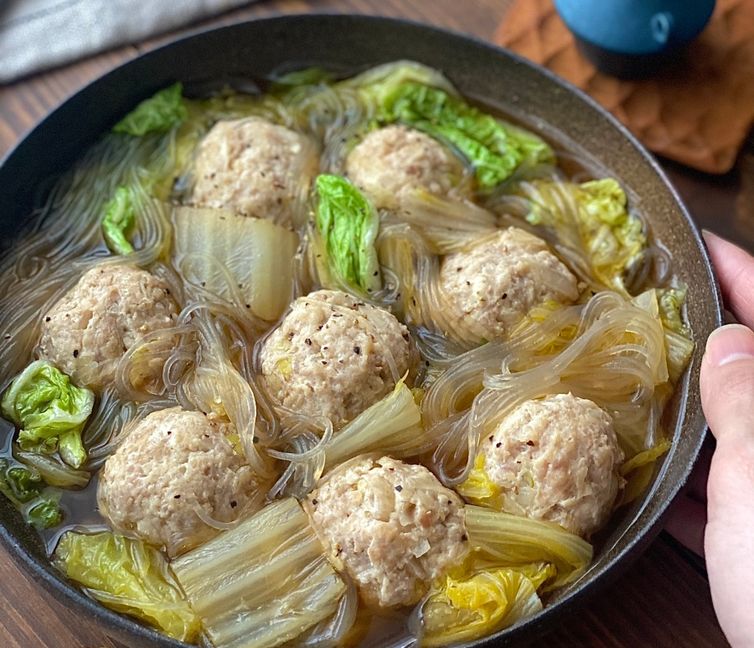
Ang masustansya at kasiya-siyang sopas na ito ay puno ng malambot na chicken meatballs at maraming napa cabbage.
Salamat sa pagdaragdag ng tofu at breadcrumbs, ang mga meatball ay nananatiling hindi kapani-paniwalang malambot at mahangin—masarap at abot-kaya!
20 minuto

Chiori
PROFILE
MGA SANGKAP
PARA SA 4
Ang orihinal na recipe (1X) ay para sa 4 na servings
Kapag binago ang dami ng recipe, maaaring kailanganin ng kaunting pagsasaayos ang ratio ng ilang sangkap. Ayusin kung kinakailangan at tikman ang lasa.
- 1/4 head napa cabbage (chopped)
- 5 1/4 oz silken or firm tofu (pressed and drained)
- 1/3 a stalk of Japanese long onion (finely chopped)
- 2/3 pound ground chicken
- 1 3/4 oz mung bean vermicelli
- A2 pinchs of salt
- A2 pinchs of sugar
- A1/2 tsp. chicken bouillon granules
- A1 tbsp. Japanese mayonnaise
- B1/4 tbsp. freshly-grated ginger
- B2 tbsp. panko breadcrumbs
- C3 3/4 cup water
- C2 tbsp. mirin
- C2 tbsp. soy sauce
- C1 tbsp. chicken bouillon powder
- C2 1/2 tsp. oyster sauce
- C1 tsp. freshly grated ginger
- salt (to taste)
- 1 tsp. toasted sesame oil
- Freshly-ground black pepper (to taste)
MGA DIREKSYON
- 1
Prep ingredients:
Cut napa cabbage into bite-sized pieces. Wrap the tofu in paper towels and microwave at 600W for 2 minutes 30 seconds. Replace the paper towels with clean ones and press the tofu lightly to remove excess moisture. Finely chop the Japanese long onion. - 2
Make the meatball base:
In a large bowl, combine ground chicken, salt, sugar, bouillon, and Japanese mayonnaise. Mix until smooth. Add tofu, long onion, ¾ tsp. grated ginger, and panko. Mix until well combined.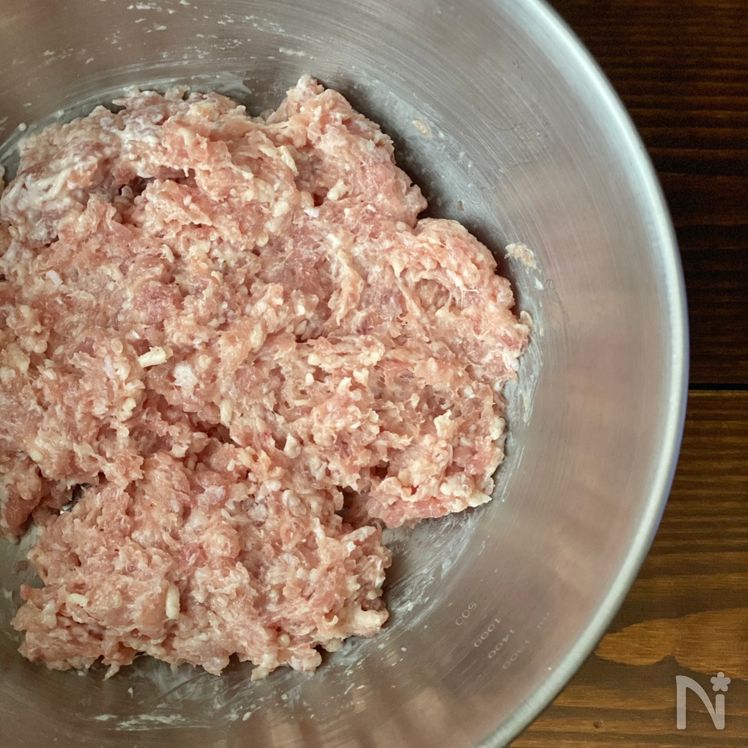
- 3
Cook the base:
In a large pot, bring water to a gentle boil. Add the harder, core pieces of the napa cabbage and all soup base (C) ingredients: water, mirin, soy sauce, bouillon, oyster sauce, and 1 tsp. ginge. Simmer over medium-high heat for 2–3 minutes.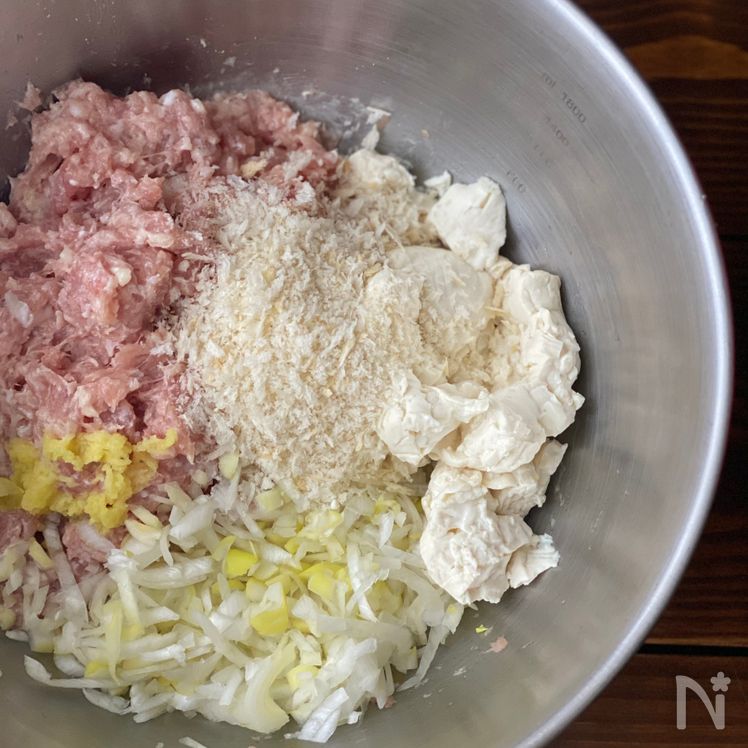
- 4
Add meatballs:
Form the chicken mixture into balls and gently add to the soup. Simmer until fully cooked, about 5–7 minutes.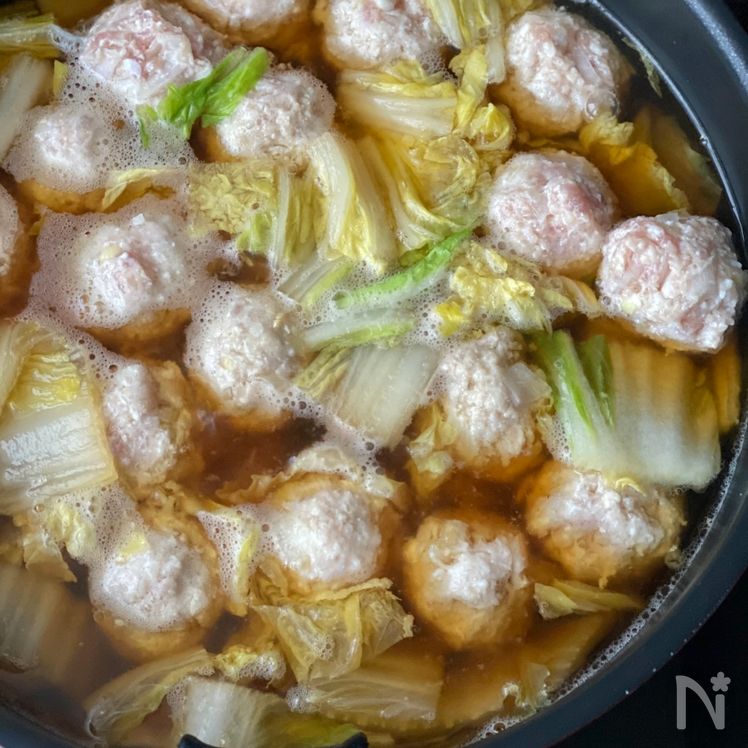
- 5
Add noodles and cabbage leaves:
Add the remaining cabbage leaves and mung bean vermicelli. Simmer until the noodles are tender. Taste and adjust with salt as needed. Stir in sesame oil.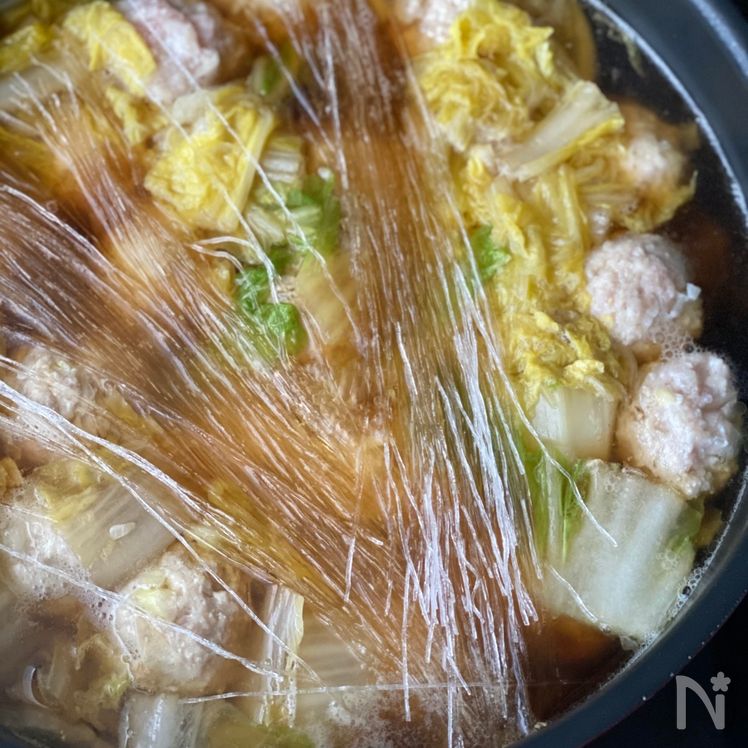
- 6
Serve:
Ladle into bowls and top with freshly ground black pepper. Serve hot.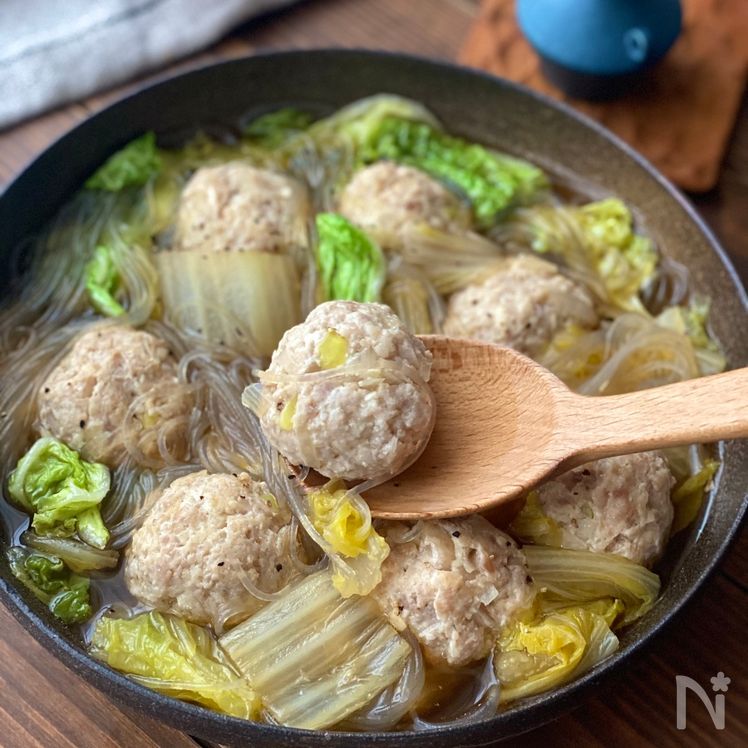
Recipe ID
99
Mga Tips at Tala
・ Maaaring gumamit ng silken o firm na tofu.
・ Para sa mga bata, gawing mas maliit ang mga meatball at tiyaking luto nang husto ang Japanese long onion.
・ Maaaring dagdagan ang napa cabbage hanggang 700 g (1.5 lb).
AKING RATING
Mag-sign up o mag-log in nang libre para magsumite ng iyong mga review!
MAGSIMULAMGA REVIEW
Maging una sa pag-review!
I live in Sapporo, Hokkaido, and I’m a mother of two daughters who both love to eat. As a working mom, my realistic, everyday recipes have resonated with many, and as of May 2024, I’m grateful to have over 380,000 followers on Instagram. Thank you so much for your support! From a homemaker’s perspective, my motto is to create recipes that make families happy and help busy women. I share dishes that can be made even more delicious with just a small twist using seasonings you already have at home. Along with recipes, I also post daily tips on cooking techniques to enhance flavor and handy food storage methods that make life in the kitchen easier.