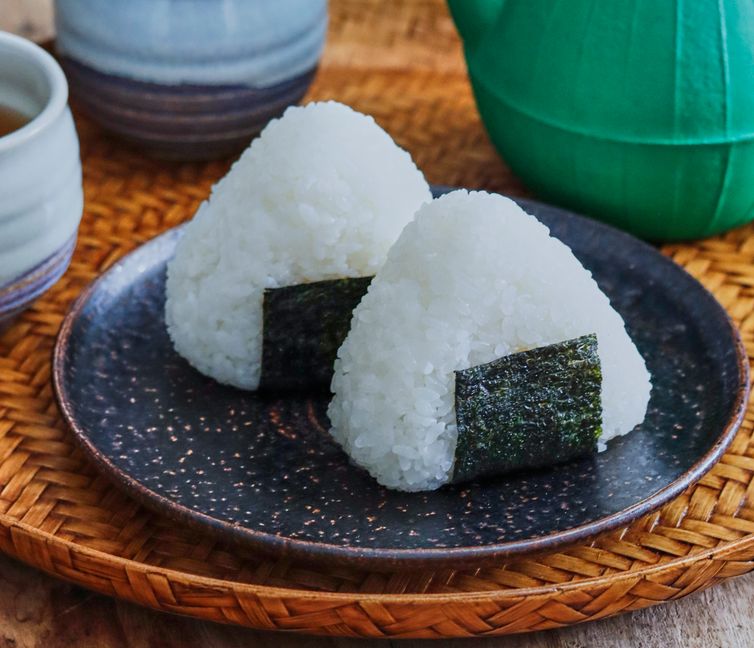
เกี่ยวกับโอนิกิริ
โอนิกิริ ข้าวปั้นญี่ปุ่น มีต้นกำเนิดในยุคเฮอัน (ค.ศ. 794-1185) และยังคงเป็นอาหารหลักในกล่องข้าวและอาหารพกพาจนถึงปัจจุบัน — เป็นเสาหลักของวัฒนธรรมอาหารญี่ปุ่น
เดิมทีทำจากข้าวที่เหลือและปั้นเป็นรูปทรงเพื่อความสะดวก โอนิกิริได้พัฒนาขึ้นตามกาลเวลาจากของว่างทำเองที่บ้านธรรมดาๆ กลายเป็นภาพที่คุ้นเคยในร้านสะดวกซื้อและซูเปอร์มาร์เก็ตทั่วญี่ปุ่น
ในความเป็นจริง ร้านโอนิกิริได้เปิดตัวขึ้นในช่วงไม่กี่ปีที่ผ่านมา ยิ่งตอกย้ำสถานะของมันในฐานะสัญลักษณ์ของวัฒนธรรมอาหารญี่ปุ่น
แนวคิดในการปั้นข้าวให้เป็นรูปทรงพกพาได้มีมานานกว่า 1,000 ปีแล้ว
ในยุคเฮอัน (ค.ศ. 794–1185) ส่วนข้าวที่เรียกว่าโทนจิกิถูกเสิร์ฟให้กับคนงานในบ้านของขุนนางหลังจากงานเลี้ยง
เหล่านี้เป็นอาหารขนาดใหญ่รูปทรงรีที่ทำจากข้าวเหนียวเหนอะหนะ
เมื่อถึงปลายยุคคามาคุระ ข้าวขาวธรรมดา (อุรุจิไม) ได้กลายเป็นมาตรฐาน
ในช่วงยุครัฐสงครามของญี่ปุ่น (ศตวรรษที่ 15–16) โอนิกิริทำหน้าที่เป็นอาหารที่ใช้งานได้จริงสำหรับทหารในสนามรบ
ในยุคเอโดะ (ค.ศ. 1603–1868) โอนิกิริกลายเป็นส่วนหนึ่งที่พบเห็นได้ทั่วไปในมื้ออาหารเบนโตะ — เหมาะสำหรับนักเดินทาง ชาวนา และคนงานที่เดินทางตลอดเวลา
ในยุคเก็นโรกุ (ปลายทศวรรษ 1600) การเพาะปลูกสาหร่ายอาซากุสะโนริ (สาหร่ายทะเลชนิดหนึ่งที่รับประทานได้) เริ่มต้นขึ้น ปูทางสำหรับโอนิกิริห่อสาหร่ายที่หลายคนรู้จักในปัจจุบัน
จุดเปลี่ยนสำคัญมาถึงในปี ค.ศ. 1974 เมื่อ 7-Eleven แห่งแรกของญี่ปุ่นเปิดตัวและแนะนำบรรจุภัณฑ์ประเภทใหม่ที่เก็บสาหร่ายแยกไว้จนกว่าจะถึงเวลารับประทาน
สิ่งนี้ทำให้โนริยังคงกรอบและช่วยให้โอนิกิริในร้านสะดวกซื้อกลายเป็นที่ชื่นชอบของคนทั้งชาติ
ปัจจุบัน โอนิกิริยังคงเป็นของว่างหรืออาหารด่วนที่นิยม และเป็นส่วนหนึ่งที่เป็นที่รักของชีวิตประจำวันในญี่ปุ่น
ไม่ว่าจะทำเองที่บ้านหรือซื้อจากร้าน โอนิกิริมอบรสชาติที่อบอุ่นของประเพณีญี่ปุ่น — พร้อมไส้หลากหลายให้ได้สำรวจ
20 นาที
ไม่รวมเวลาแช่ข้าว

Yoshiro Takahashi
โปรไฟล์
ส่วนผสม
สำหรับ 2
สูตรดั้งเดิม (1X) ได้ 2 ที่
เมื่อปรับขนาดสูตรอาหาร อัตราส่วนของส่วนผสมบางอย่างอาจต้องปรับเล็กน้อย ปรับตามความเหมาะสมและปรุงรสตามชอบ
- A320ml uncooked Japanese short-grain rice
- A480ml cold water
- Aextra cold water for washing the rice
- B480ml freshly-steamed Japanese short-grain rice
- B2.5ml salt
- BBowl of cold water for wetting your hands
วิธีทำ
- 1
Cooking the Rice(Directions for steaming in a pot)
【Ingredients(2〜3 servings)】 A
Wash the rice and let soak for 30 minutes. After 30 minutes, fully drain the water from the rice.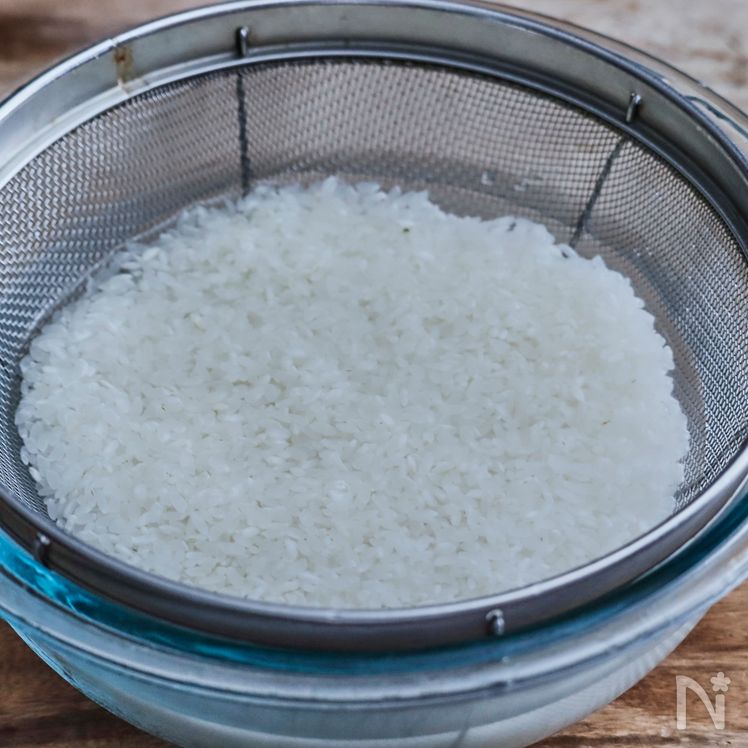
- 2
Place the rinsed rice and scant 2 cups of fresh cold water in a pot. Turn on the heat to medium-high and bring to a boil. Do not cover the pot!
Once it begins boiling, reduce the heat to medium and let it boil for 2 minutes. If the pot begins to boil over, reduce the heat slightly.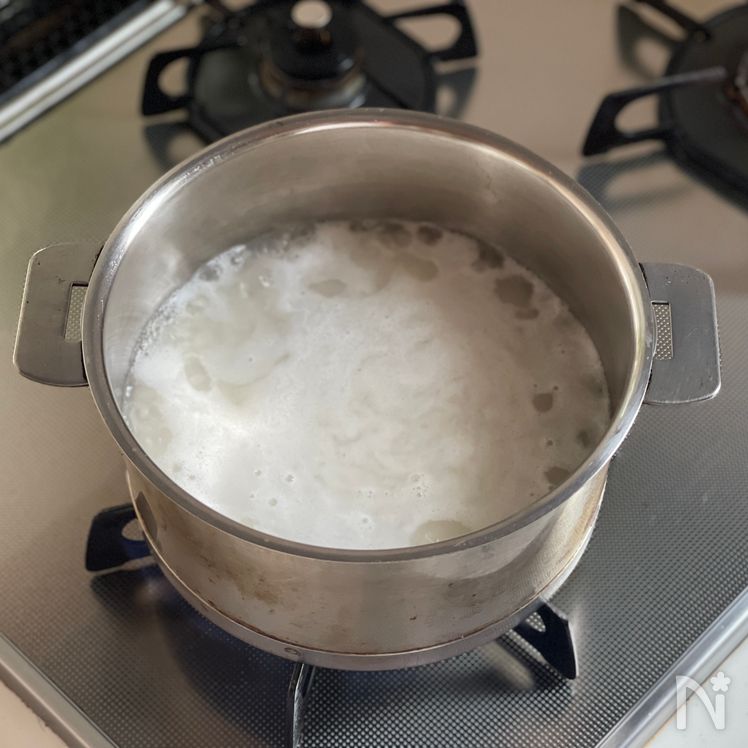
- 3
Cover the pot with a lid and reduce to low heat. Let simmer for 8 minutes. If the pot begins to boil over, open the lid slightly until the bubbling subsides, then cover the pot again fully and continue to simmer.
After 8 minutes, turn off the heat and let rest for 10 minutes with the lid on. After 10 minutes, remove the lid and gently stir.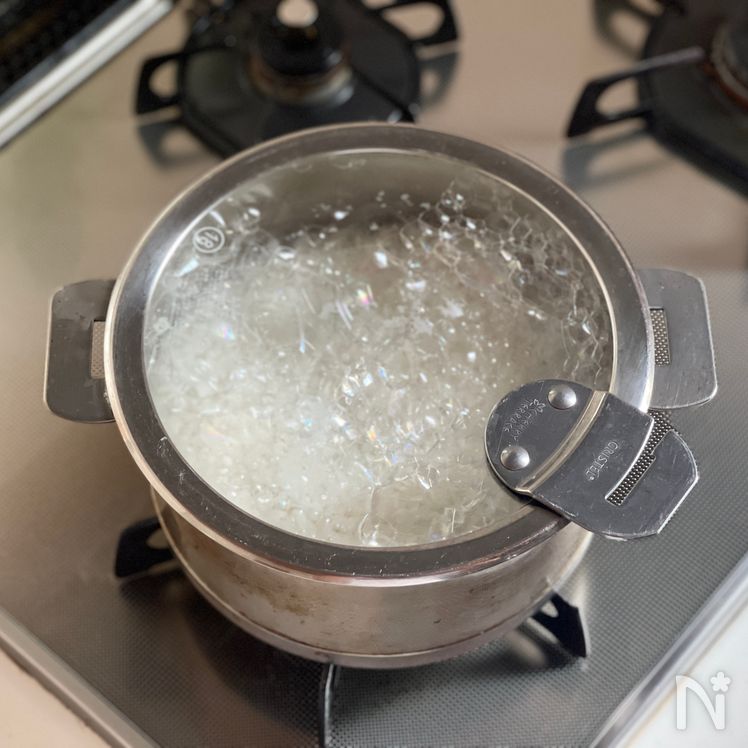
- 4
Making the Rice Balls
【Ingredients(1 serving = 2 rice balls)】B
Let the freshly-steamed rice cool at room temperature until you can comfortably touch it with your hands.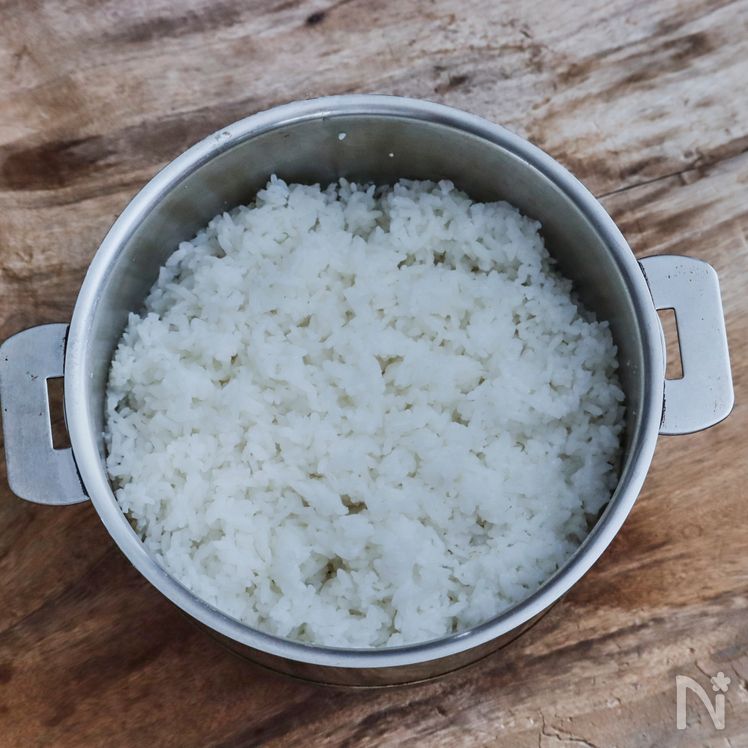
- 5
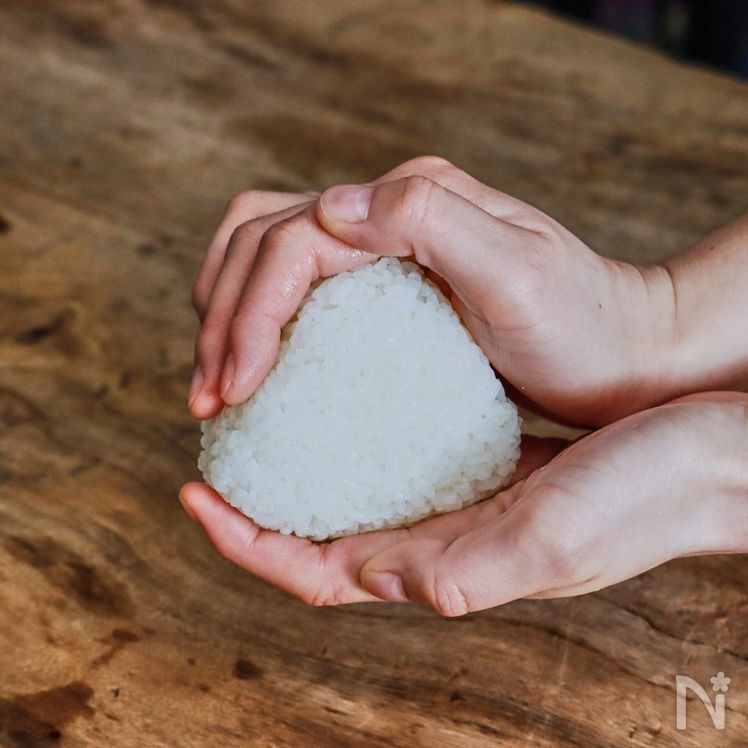
Dampen your hands with cold water and rub half of the salt into your palms. Scoop half of the rice into one hand and with both hands cupped, gently shape it into a triangle. Repeat with the remaining rice. Plate and serve.
รหัสสูตรอาหาร
11
เคล็ดลับและหมายเหตุ
・เมื่อปั้นข้าวปั้น ให้แน่ใจว่าโรยเกลือบางๆ และสม่ำเสมอทั่วทั้งมือ
ตั้งเป้าให้เกลือเคลือบผิวข้าวปั้นเบาๆ ด้วยเกลือประมาณ 1/4 ช้อนชา
การใช้เกลือมากเกินไปจะทำให้รสเค็มจัดมาก ดังนั้นควรเริ่มด้วยเกลือปริมาณน้อยแล้วเพิ่มตามรสชาติ
・ข้าวที่เย็นเกินไปจะไม่ติดกันเป็นก้อน ดังนั้นควรใช้ข้าวที่นึ่งสดใหม่
หากข้าวร้อนเกินไป ให้ตักใส่ชามและรอจนกว่าจะสามารถสัมผัสได้อย่างสบายด้วยมือก่อนปั้น
・ข้าวเมล็ดยาวไม่เหนียวเท่าข้าวญี่ปุ่นเมล็ดสั้น และไม่เหมาะสำหรับการทำข้าวปั้น ควรใช้ข้าวญี่ปุ่นเมล็ดสั้นเท่านั้น
・หากต้องการห่อข้าวปั้นด้วยสาหร่ายแห้งตามที่แสดงในภาพด้านล่าง ให้ตัดแผ่นสาหร่ายเป็นสี่เหลี่ยมผืนผ้าขนาด 15 ซม. × 5 ซม.
คะแนนของฉัน
สมัครสมาชิกหรือเข้าสู่ระบบฟรีเพื่อส่งรีวิวของคุณ!
เริ่มต้นรีวิว
เป็นคนแรกที่รีวิว!
Born in 1988 in Kawasaki, Kanagawa Prefecture, I was inspired by my father, a traditional Japanese chef, and learned cooking fundamentals early at my family’s restaurant. After graduating from Senshu University’s Faculty of Law, I worked in sales at Nippon Shokken Co., Ltd., then as a restaurant manager, before completing a professional food coordinator program and starting my career as an independent culinary expert. I hold nine food-related qualifications, including Professional Chef’s License, Sake Sommelier (Kikisake-shi), Certified Sommelier (ANSA), and Vegetable Sommelier, and was the youngest to earn the advanced title of Certified Lecturer in Sake Studies. While rooted in Japanese cuisine that highlights natural flavors, my repertoire spans ethnic, Italian, and organic dishes. In 2015, I joined a project by Japan’s Ministry of Agriculture, Forestry and Fisheries and JICA, promoting Japanese cuisine domestically and in countries such as France, Paraguay, Bangladesh, and Serbia. A passionate triathlete, I have achieved top finishes in domestic competitions, won my age group at the 2018 Tomonoura Triathlon, and represented Japan at the Age Group World Championships in Australia (2018) and Switzerland (2019). Known as “the running chef,” I collaborate with sports brands and health media, advocating the integration of food, health, and sports. Since 2020, I have served as Official Athlete Food Coach for the Japan Para Table Tennis National Team, supporting athletes’ nutrition. In 2022, I became a father and now balance parenthood with my culinary and athletic careers.