
Sobre o Onigiri
O onigiri, bolinhos de arroz japoneses, originou-se no Período Heian (794-1185 d.C.) e continua sendo um alimento básico em marmitas e comida para viagem até os dias atuais — um pilar da cultura gastronômica japonesa.
Originalmente feito com sobras de arroz e moldado por conveniência, o onigiri evoluiu ao longo do tempo de um simples lanche caseiro para uma visão familiar em lojas de conveniência e supermercados por todo o Japão.
De fato, lojas especializadas em onigiri têm surgido nos últimos anos, consolidando ainda mais seu status como símbolo da cultura gastronômica japonesa.
A ideia de moldar o arroz em uma forma portátil remonta a mais de 1.000 anos.
No período Heian (794–1185), porções de arroz chamadas tonjiki eram servidas aos trabalhadores de casas nobres após banquetes.
Eram porções grandes e ovais feitas com arroz glutinoso e pegajoso.
No final do período Kamakura, o arroz branco comum (uruchimai) tornou-se o padrão.
Durante a era dos Estados Combatentes do Japão (séculos XV–XVI), o onigiri servia como alimento prático para os soldados no campo.
No período Edo (1603–1868), tornaram-se uma parte comum das refeições bento — ideais para viajantes, agricultores e trabalhadores em movimento.
Na era Genroku (final dos anos 1600), o cultivo do nori de Asakusa (um tipo de alga marinha comestível) começou, abrindo caminho para o onigiri envolto em algas que muitos conhecem hoje.
Um grande ponto de virada ocorreu em 1974, quando o primeiro 7-Eleven do Japão abriu e introduziu um novo tipo de embalagem que mantinha a alga separada até pouco antes de comer.
Isso mantinha o nori crocante e ajudou a tornar o onigiri de lojas de conveniência um favorito nacional.
Hoje, continua sendo um lanche ou refeição rápida indispensável, e uma parte querida da vida cotidiana no Japão.
Seja feito em casa ou comprado em loja, o onigiri oferece uma reconfortante mordida da tradição japonesa — com uma grande variedade de recheios para explorar.
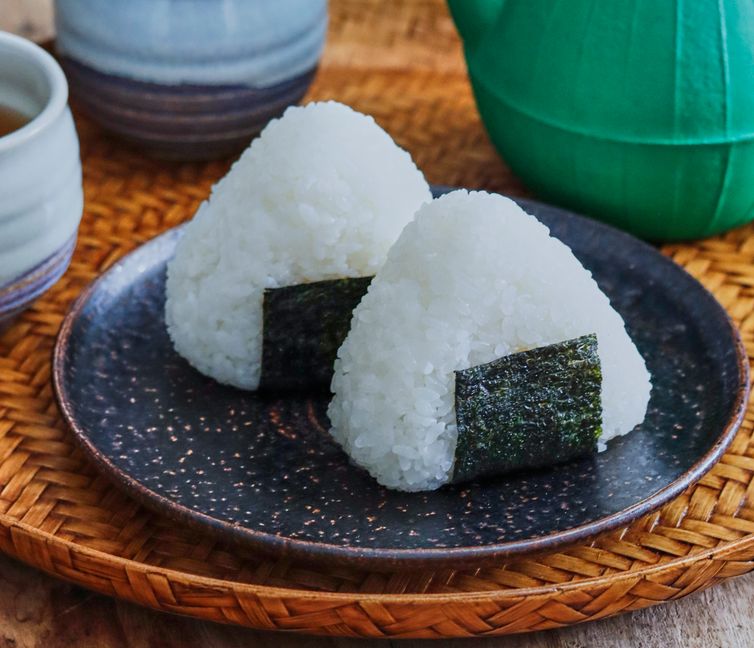
20 minutos
excluindo o tempo de molho

Yoshiro Takahashi
PERFIL
INGREDIENTES
PORÇÕES 2
A receita original (1X) rende 2 porções
Ao ajustar a receita, as proporções de alguns ingredientes podem precisar de pequenos ajustes. Ajuste conforme necessário e tempere a gosto.
- A320ml uncooked Japanese short-grain rice
- A480ml cold water
- Aextra cold water for washing the rice
- B480ml freshly-steamed Japanese short-grain rice
- B2.5ml salt
- BBowl of cold water for wetting your hands
MODO DE PREPARO
- 1
Cooking the Rice(Directions for steaming in a pot)
【Ingredients(2〜3 servings)】 A
Wash the rice and let soak for 30 minutes. After 30 minutes, fully drain the water from the rice.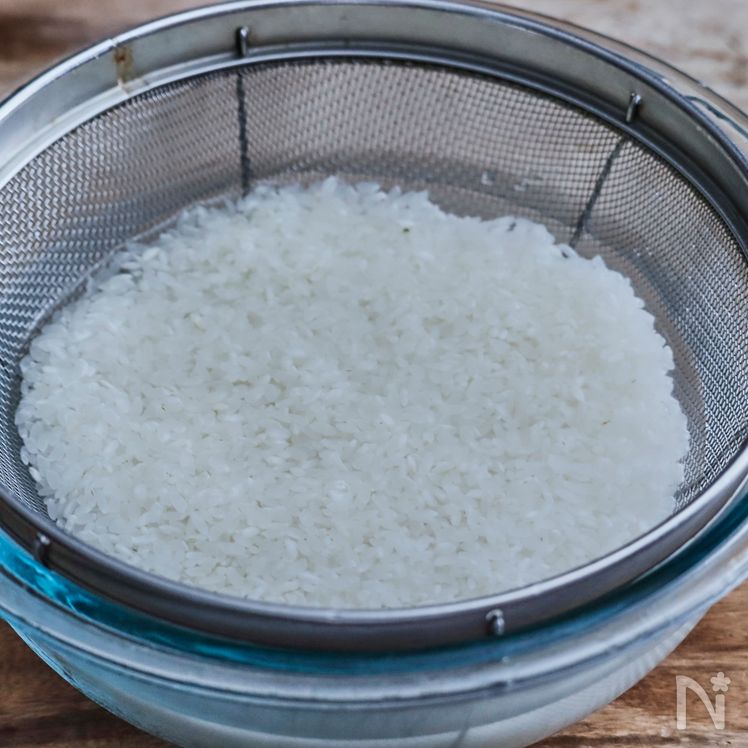
- 2
Place the rinsed rice and scant 2 cups of fresh cold water in a pot. Turn on the heat to medium-high and bring to a boil. Do not cover the pot!
Once it begins boiling, reduce the heat to medium and let it boil for 2 minutes. If the pot begins to boil over, reduce the heat slightly.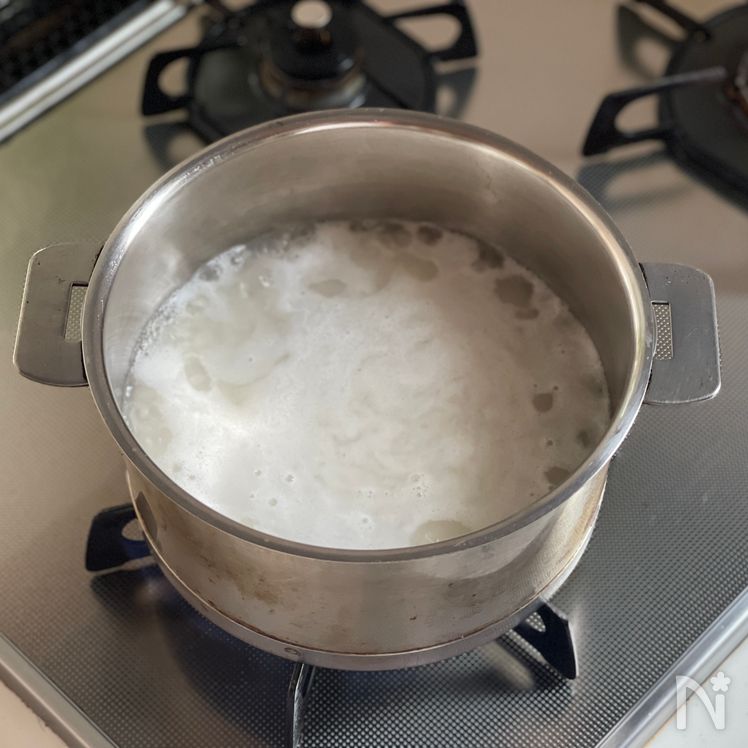
- 3
Cover the pot with a lid and reduce to low heat. Let simmer for 8 minutes. If the pot begins to boil over, open the lid slightly until the bubbling subsides, then cover the pot again fully and continue to simmer.
After 8 minutes, turn off the heat and let rest for 10 minutes with the lid on. After 10 minutes, remove the lid and gently stir.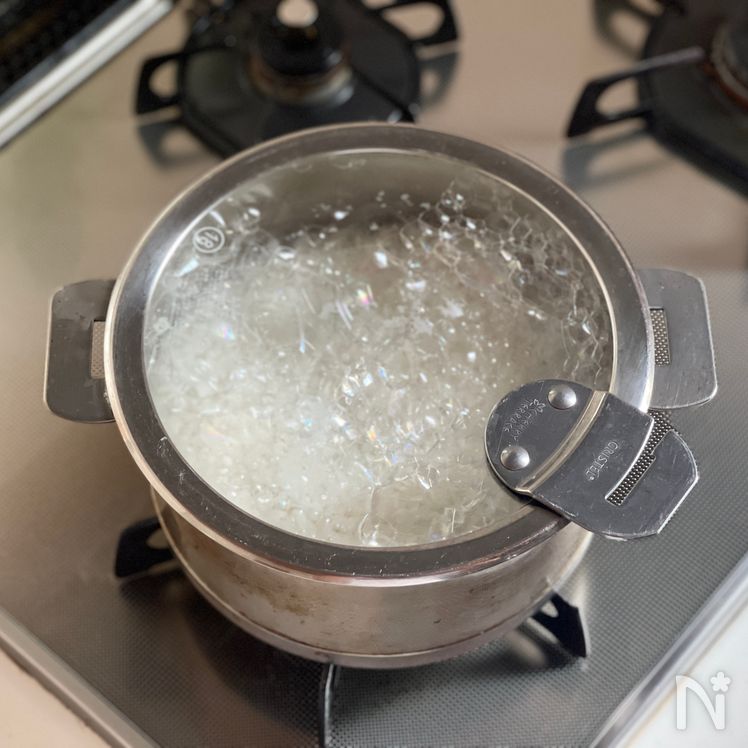
- 4
Making the Rice Balls
【Ingredients(1 serving = 2 rice balls)】B
Let the freshly-steamed rice cool at room temperature until you can comfortably touch it with your hands.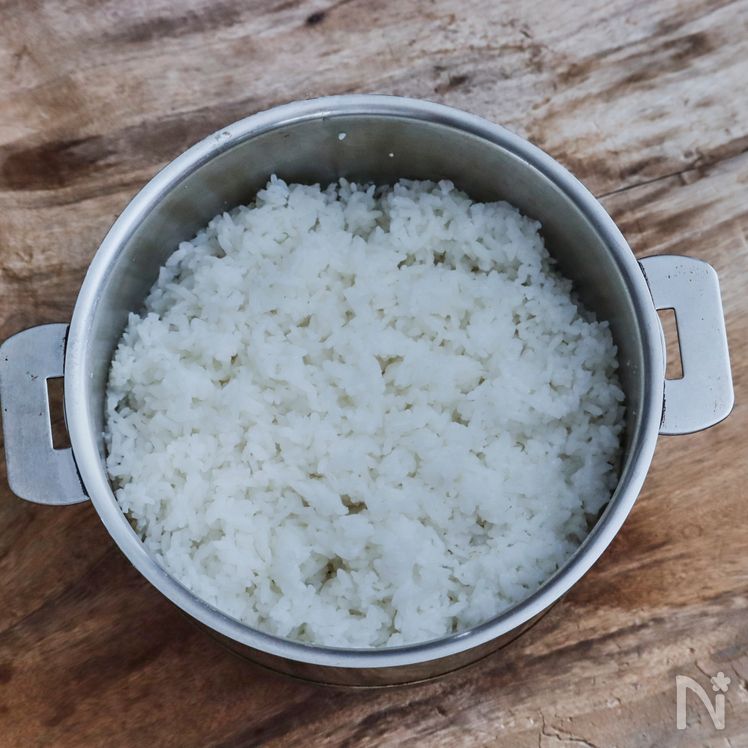
- 5
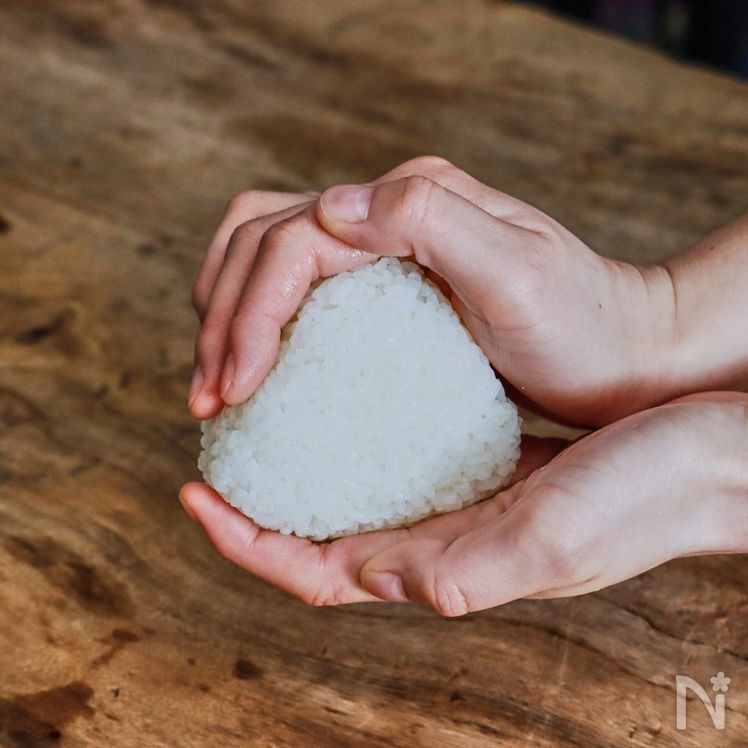
Dampen your hands with cold water and rub half of the salt into your palms. Scoop half of the rice into one hand and with both hands cupped, gently shape it into a triangle. Repeat with the remaining rice. Plate and serve.
ID da receita
11
Dicas e Notas
・Ao formar as bolinhas de arroz, certifique-se de espalhar o sal de forma leve e uniforme por toda a mão.
O objetivo é apenas envernizar levemente a superfície da bolinha de arroz com aproximadamente 1/4 de colher de chá de sal.
Usar sal em excesso resultará em um sabor muito salgado, por isso é melhor começar com uma pequena quantidade e adicionar mais a gosto.
・O arroz que foi resfriado demais não vai se unir em bolinhas, portanto, certifique-se de usar arroz recém-cozido no vapor.
Se o arroz estiver muito quente, transfira-o para uma tigela e aguarde para formar as bolinhas até que você possa tocá-lo confortavelmente com as mãos.
・O arroz de grão longo não é tão pegajoso quanto o arroz japonês de grão curto e não é adequado para fazer bolinhas de arroz. Certifique-se de usar arroz japonês de grão curto.
・Para embrulhar as bolinhas de arroz em alga seca, como mostrado na foto abaixo, corte as folhas de alga em retângulos de 15 cm × 5 cm.
MINHA AVALIAÇÃO
Cadastre-se ou faça login gratuitamente para enviar sua avaliação!
COMEÇARAVALIAÇÕES
Seja o primeiro a avaliar!
Born in 1988 in Kawasaki, Kanagawa Prefecture, I was inspired by my father, a traditional Japanese chef, and learned cooking fundamentals early at my family’s restaurant. After graduating from Senshu University’s Faculty of Law, I worked in sales at Nippon Shokken Co., Ltd., then as a restaurant manager, before completing a professional food coordinator program and starting my career as an independent culinary expert. I hold nine food-related qualifications, including Professional Chef’s License, Sake Sommelier (Kikisake-shi), Certified Sommelier (ANSA), and Vegetable Sommelier, and was the youngest to earn the advanced title of Certified Lecturer in Sake Studies. While rooted in Japanese cuisine that highlights natural flavors, my repertoire spans ethnic, Italian, and organic dishes. In 2015, I joined a project by Japan’s Ministry of Agriculture, Forestry and Fisheries and JICA, promoting Japanese cuisine domestically and in countries such as France, Paraguay, Bangladesh, and Serbia. A passionate triathlete, I have achieved top finishes in domestic competitions, won my age group at the 2018 Tomonoura Triathlon, and represented Japan at the Age Group World Championships in Australia (2018) and Switzerland (2019). Known as “the running chef,” I collaborate with sports brands and health media, advocating the integration of food, health, and sports. Since 2020, I have served as Official Athlete Food Coach for the Japan Para Table Tennis National Team, supporting athletes’ nutrition. In 2022, I became a father and now balance parenthood with my culinary and athletic careers.