
Harusame (makaron szklany) to cienki, półprzezroczysty makaron uwielbiany w całej Azji za śliską teksturę i zdolność wchłaniania smaków.
Wywodzący się z Chin sprzed ponad tysiąca lat i znany jako fěnsī, jest zazwyczaj wytwarzany ze skrobi fasoli mung i jest odporny na rozgotowanie, oferując sprężysty kęs.
W Japonii harusame zostało wprowadzone w okresie Kamakura, ale upowszechniło się na początku XX wieku wraz z krajowymi wersjami wytwarzanymi ze skrobi ziemniaczanej lub słodkiego ziemniaka.
Ich nazwa, oznaczająca „wiosenny deszcz," odzwierciedla delikatną i subtelną naturę makaronu.
Jest bezglutenowy, niskokaloryczny i łatwo strawny—idealny dla osób dbających o zdrowie.
Ta sycąca i satysfakcjonująca zupa jest wypełniona delikatnymi pulpetami z kurczaka i dużą ilością kapusty napa.
Dzięki dodatkowi tofu i bułki tartej pulpety pozostają niesamowicie miękkie i puszyste—pyszne i budżetowe!
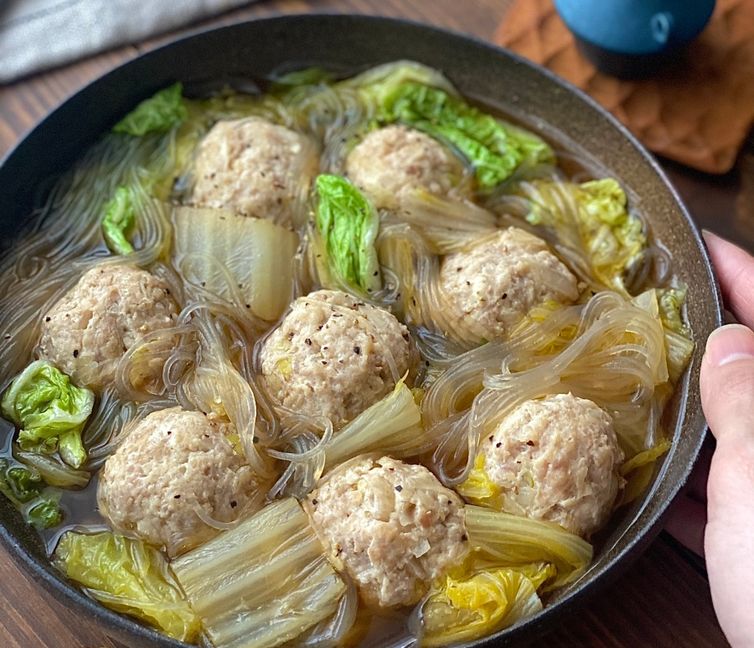
20 minut

Chiori
PROFIL
SKŁADNIKI
PORCJE 4
Oryginalny przepis (1X) na 4 porcji
Przy skalowaniu przepisu proporcje niektórych składników mogą wymagać niewielkich korekt. Dostosuj według potrzeb i dopraw do smaku.
- 1/4 head napa cabbage (chopped)
- 5 1/4 oz silken or firm tofu (pressed and drained)
- 1/3 a stalk of Japanese long onion (finely chopped)
- 2/3 pound ground chicken
- 1 3/4 oz mung bean vermicelli
- A2 pinchs of salt
- A2 pinchs of sugar
- A1/2 tsp. chicken bouillon granules
- A1 tbsp. Japanese mayonnaise
- B1/4 tbsp. freshly-grated ginger
- B2 tbsp. panko breadcrumbs
- C3 3/4 cup water
- C2 tbsp. mirin
- C2 tbsp. soy sauce
- C1 tbsp. chicken bouillon powder
- C2 1/2 tsp. oyster sauce
- C1 tsp. freshly grated ginger
- salt (to taste)
- 1 tsp. toasted sesame oil
- Freshly-ground black pepper (to taste)
SPOSÓB PRZYGOTOWANIA
- 1
Prep ingredients:
Cut napa cabbage into bite-sized pieces. Wrap the tofu in paper towels and microwave at 600W for 2 minutes 30 seconds. Replace the paper towels with clean ones and press the tofu lightly to remove excess moisture. Finely chop the Japanese long onion. - 2
Make the meatball base:
In a large bowl, combine ground chicken, salt, sugar, bouillon, and Japanese mayonnaise. Mix until smooth. Add tofu, long onion, ¾ tsp. grated ginger, and panko. Mix until well combined.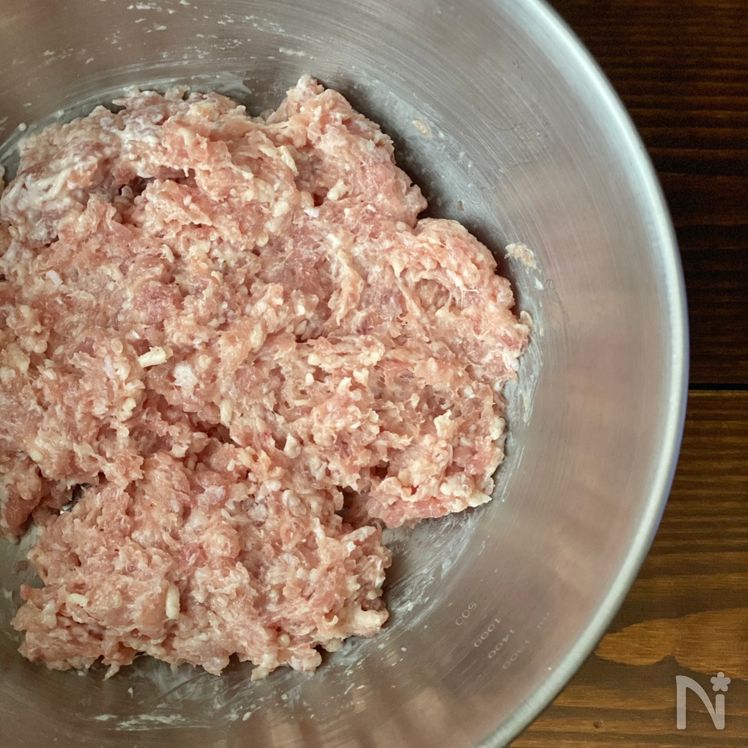
- 3
Cook the base:
In a large pot, bring water to a gentle boil. Add the harder, core pieces of the napa cabbage and all soup base (C) ingredients: water, mirin, soy sauce, bouillon, oyster sauce, and 1 tsp. ginge. Simmer over medium-high heat for 2–3 minutes.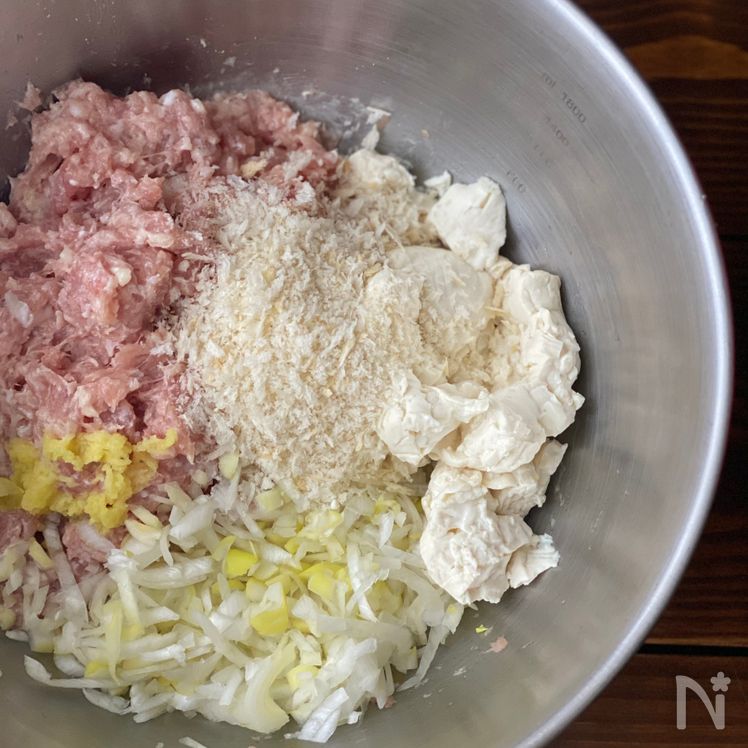
- 4
Add meatballs:
Form the chicken mixture into balls and gently add to the soup. Simmer until fully cooked, about 5–7 minutes.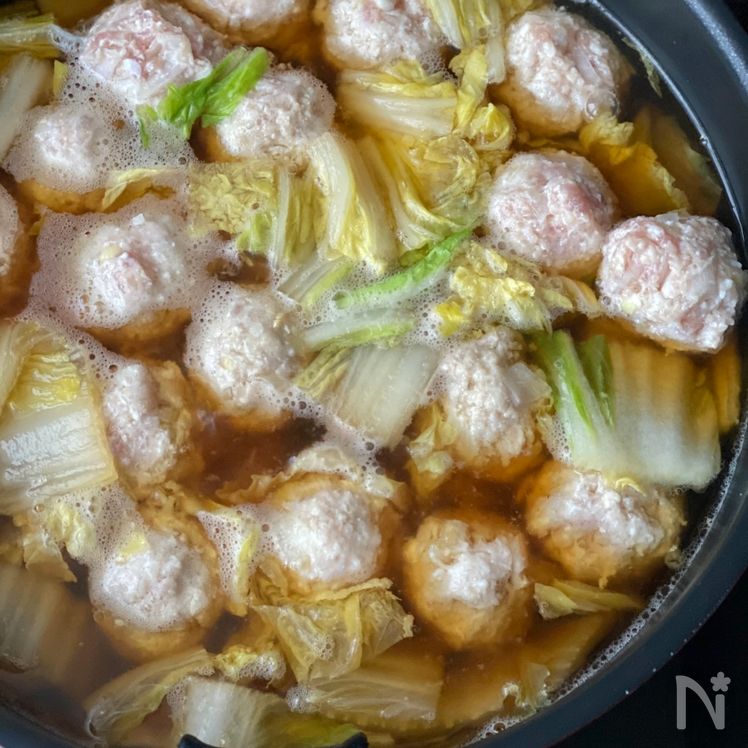
- 5
Add noodles and cabbage leaves:
Add the remaining cabbage leaves and mung bean vermicelli. Simmer until the noodles are tender. Taste and adjust with salt as needed. Stir in sesame oil.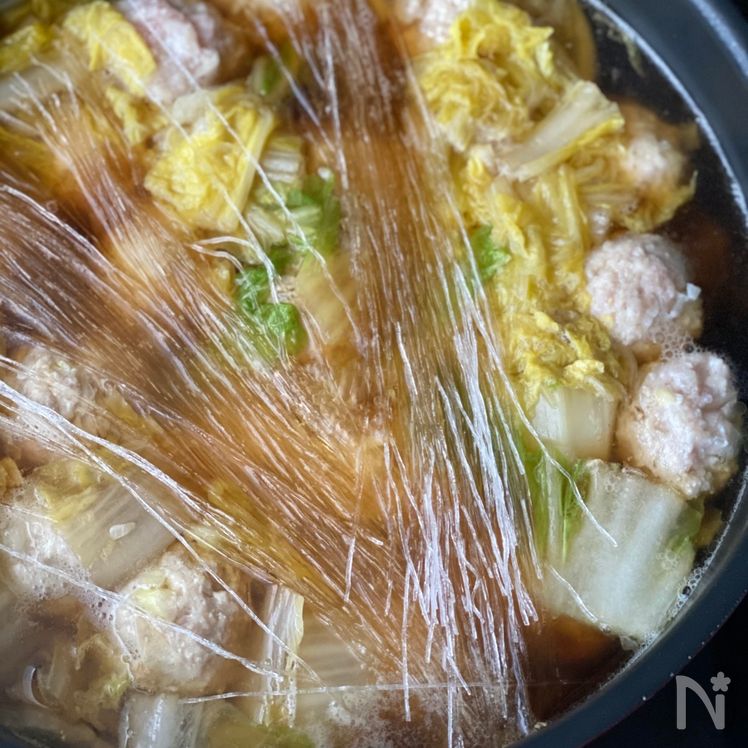
- 6
Serve:
Ladle into bowls and top with freshly ground black pepper. Serve hot.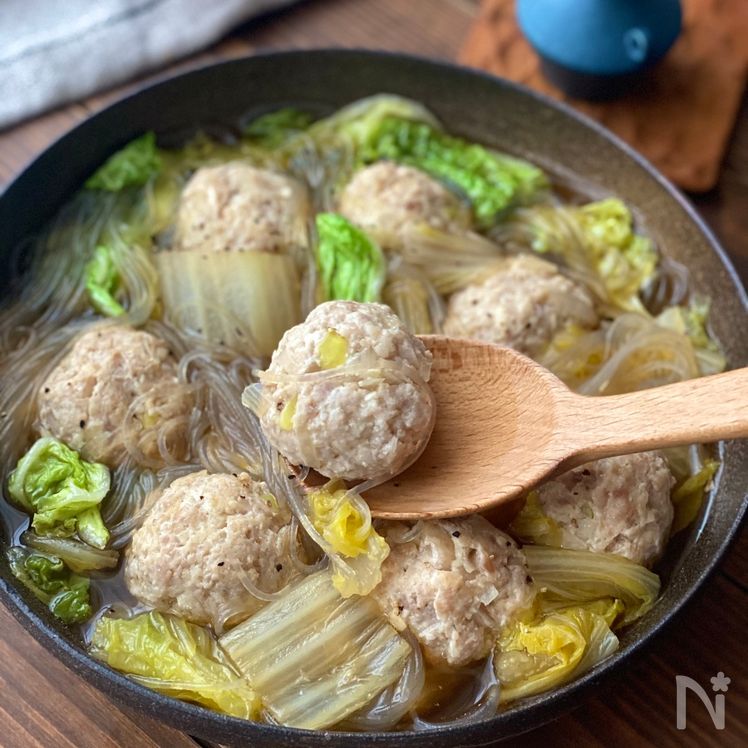
ID przepisu
99
Wskazówki i Uwagi
・ Można użyć tofu jedwabistego lub twardego.
・ Dla dzieci rób mniejsze kulki i upewnij się, że japoński długi szczypiorek jest dokładnie ugotowany.
・ Możesz zwiększyć ilość kapusty napa do 700 g (1,5 lb).
MOJA OCENA
Zarejestruj się lub zaloguj bezpłatnie, aby wysłać swoje recenzje!
ZACZNIJRECENZJE
Bądź pierwszą osobą, która oceni!
I live in Sapporo, Hokkaido, and I’m a mother of two daughters who both love to eat. As a working mom, my realistic, everyday recipes have resonated with many, and as of May 2024, I’m grateful to have over 380,000 followers on Instagram. Thank you so much for your support! From a homemaker’s perspective, my motto is to create recipes that make families happy and help busy women. I share dishes that can be made even more delicious with just a small twist using seasonings you already have at home. Along with recipes, I also post daily tips on cooking techniques to enhance flavor and handy food storage methods that make life in the kitchen easier.