
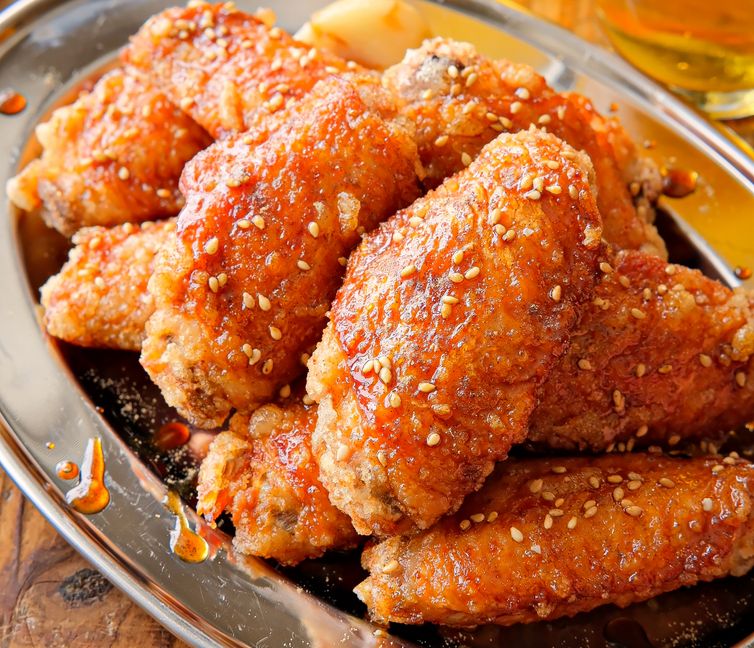
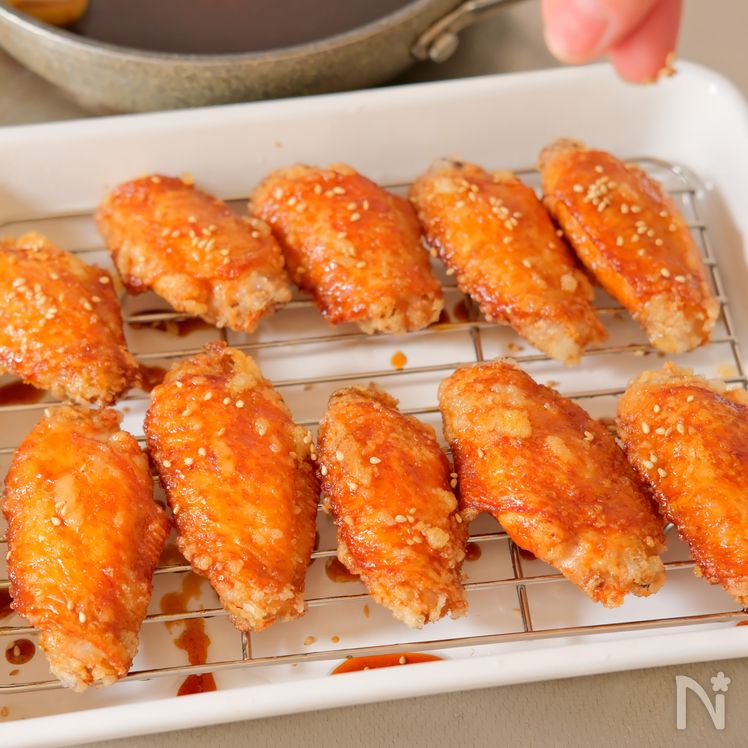
Fried Chicken Wings (Te-ba karaage, 手羽唐揚げ) are a staple of Japanese izakaya (pub) style cuisine, where chicken wings are fried until the coating is super crispy and the inside is deliciously juicy, then coated in a special sweet, savory, and spicy sauce. This karaage is highly popular as an appetizer with drinks (otsumami), and is perfect with a cold beer. Not for the faint hearted!
The combination of the sweet and savory sauce and the spicy pepper ensures that the coating stays crispy and doesn't become soggy over time. This recipe is a wing lover’s dream!
15 minutes

Oneko
PROFILE
INGREDIENTS
SERVES 2
Original recipe (1X) yields 2 servings
When scaling the recipe, the ratios of some ingredients may require slight adjustments. Adjust as necessary and season to taste.
- 10 chicken wings (tebasaki)
- A1tbsp sake (or white wine)
- A1/4tsp sugar
- A1/4tsp chicken stock powder (or salt)
- 1 garlic clove
- B2tbsp sake (or white wine)
- B2tbsp mirin (sweet rice wine)
- B2tbsp soy sauce
- B1tbsp sugar
- B1/2tbsp vinegar
- 1/2tsp pepper
- 4tbsp potato starch (katakuriko, or cornstarch)
- 2.5cups frying oil (600ml)
- 1/2tsp white toasted sesame seeds
DIRECTIONS
- 1
Cut off the tip of the chicken wing, using the V-shaped joint as a guide. This makes the wings easier to eat, but you can omit this step if you prefer.
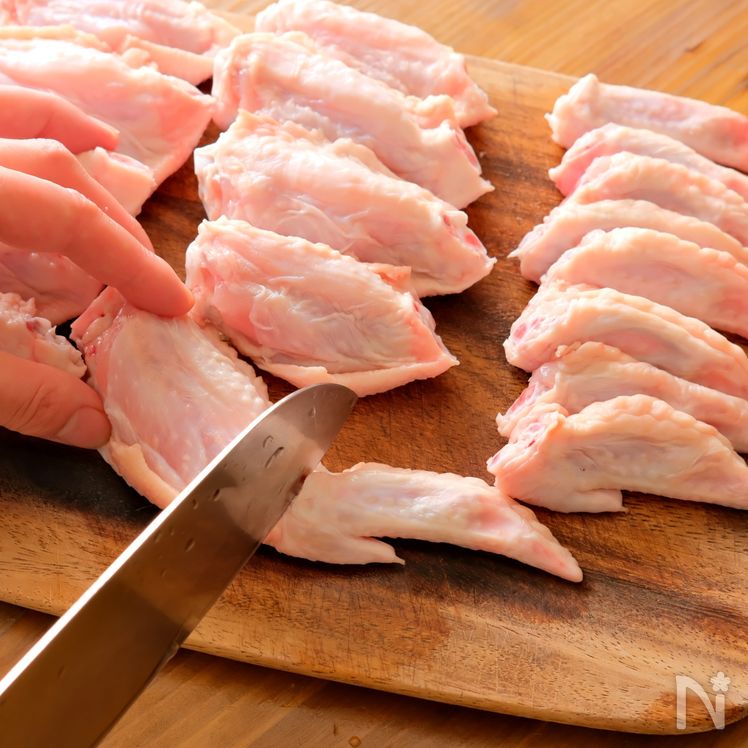
- 2
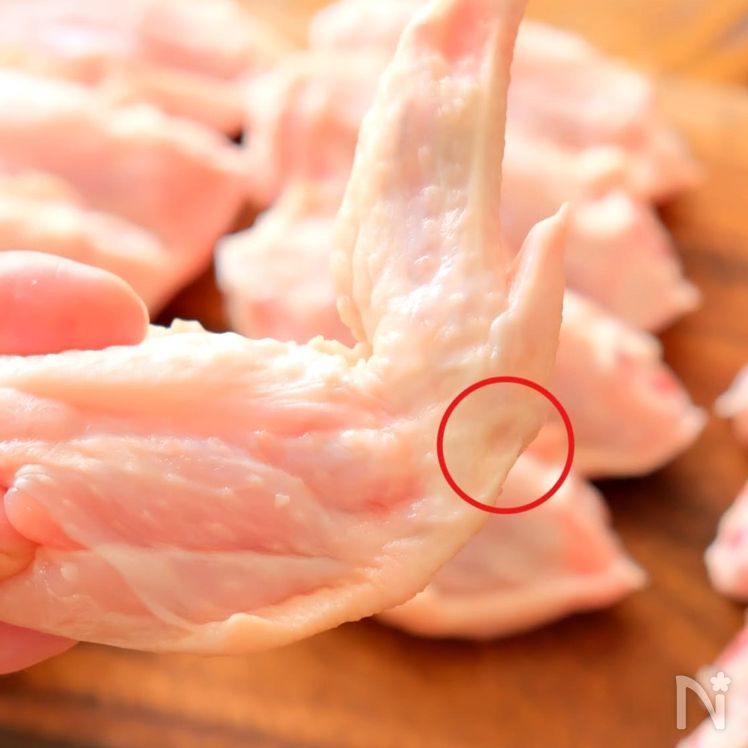
(Supplementary photo to Step 1) The part to cut is here. Use the slightly recessed part of the joint as a guide.
- 3
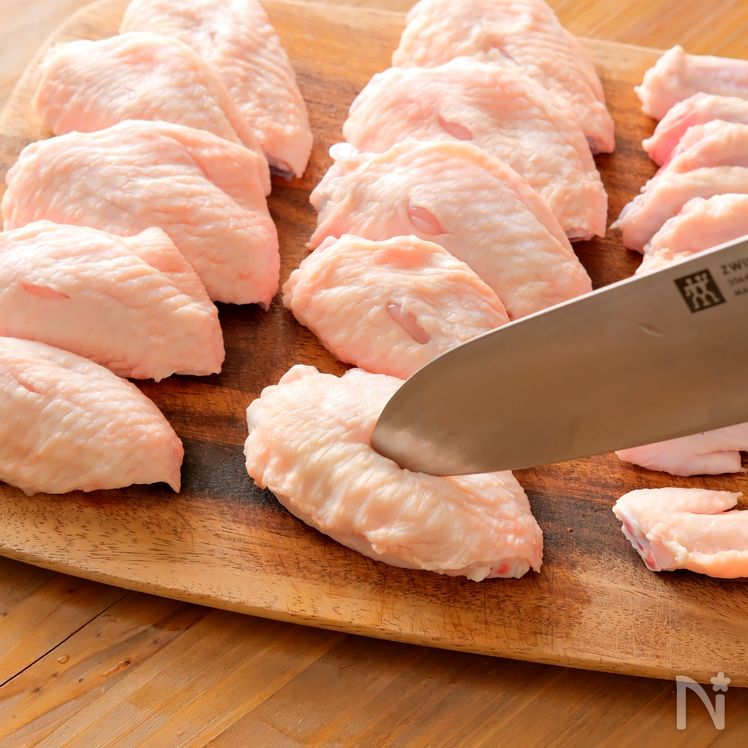
Make a small slit in the center of the skin side of each wing to create a small hole.
Mix together the (A) ingredients (sake, sugar and chicken stock powder/salt) and then rub a small amount of this mixture into the chicken. Let the wings rest at room temperature for 20–30 minutes. This allows the marinade to thoroughly flavor the whole wing, all the way to the center, and is an important step to prevent undercooking or over-frying.
- 4
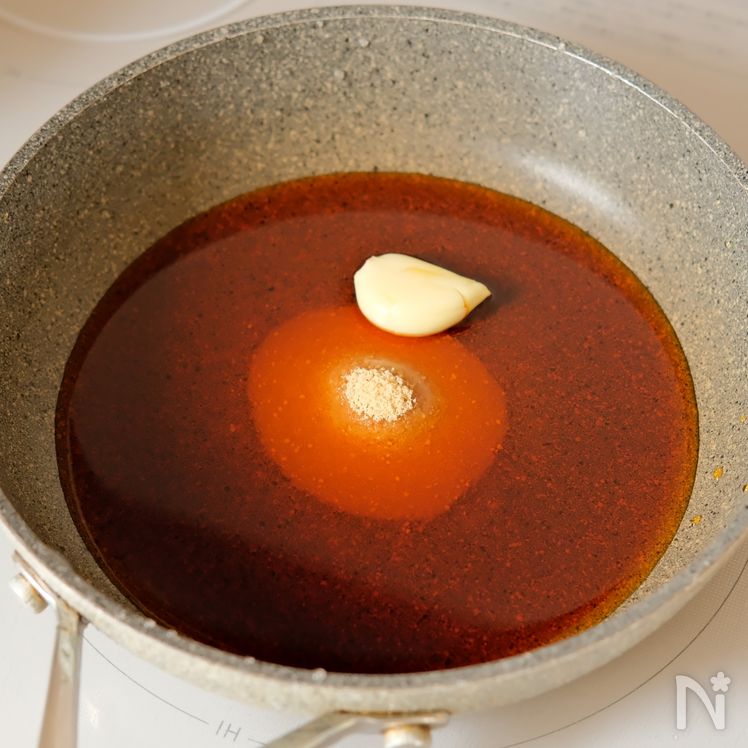
(Make the sauce while Step 3 is resting) Crush the garlic with the flat side of a knife, peel it, and place it in a frying pan along with the (B) ingredients (sake, mirin, soy sauce, sugar and vinegar).
- 5
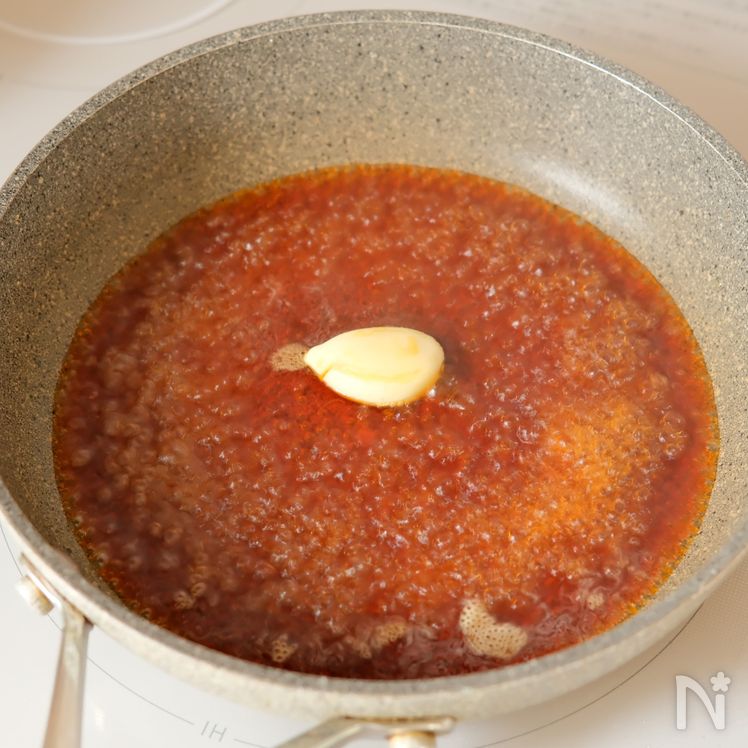
Bring to a boil over medium heat and simmer for about 2 minutes until the sauce reduces from thin and watery to slightly thick. The sauce can become too salty if over-reduced, so do not leave it unattended while cooking. The desired thickness is similar to Chuno sauce (slightly thinner than ketchup) or slightly thinner. Be careful not to let it become thick and heavy.
- 6
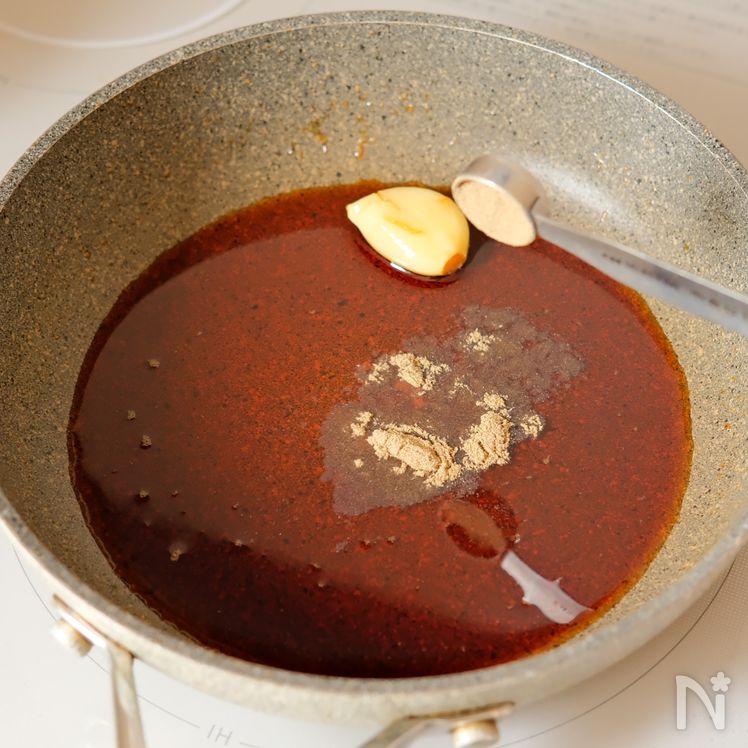
Turn off the heat, add the pepper, and set aside.
- 7
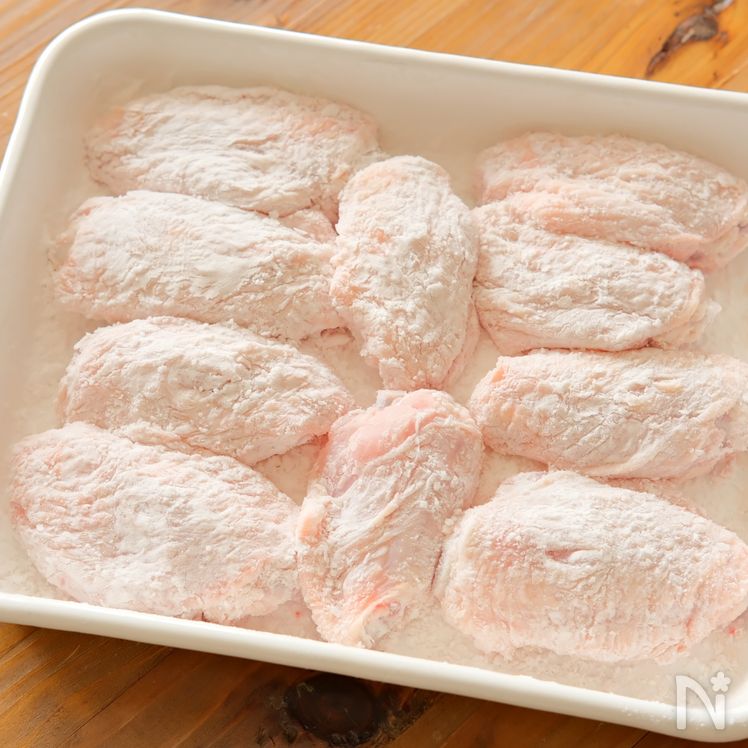
Coat the chicken from Step 3 thoroughly with potato starch. Next, wet your palms with water and lightly squeeze the chicken wings to slightly moisten the surface. Slightly moistening the surface results in a thicker, crispy finish. If you prefer a thin, smooth coating, omit this step (just coating with potato starch is sufficient).
- 8
Add enough frying oil to a deep pot (or deep frying pan) to fully submerge the meat, and heat to 340°F (170°C). Add the potato starch-coated chicken, keep the oil temperature at 320–340°F (160–170°C), and fry without moving the wings.
Pan-frying with less oil causes severe oil splattering and is difficult, so I recommend deep-frying if possible. The pan-frying time is approximately double the deep-frying time.
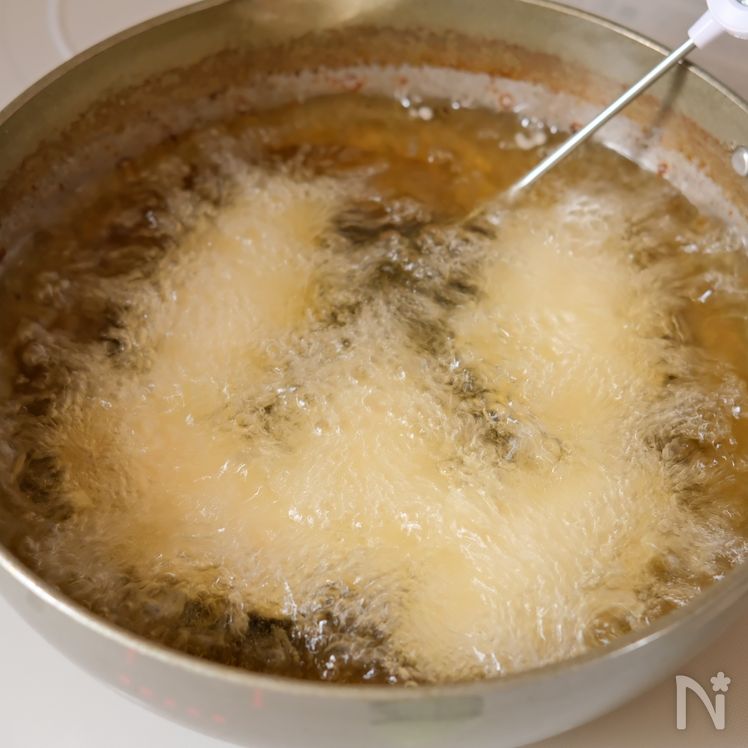
- 9
After about 2 ½ minutes, check the color of the bottom side. If it is a pale golden brown, flip the chicken over.
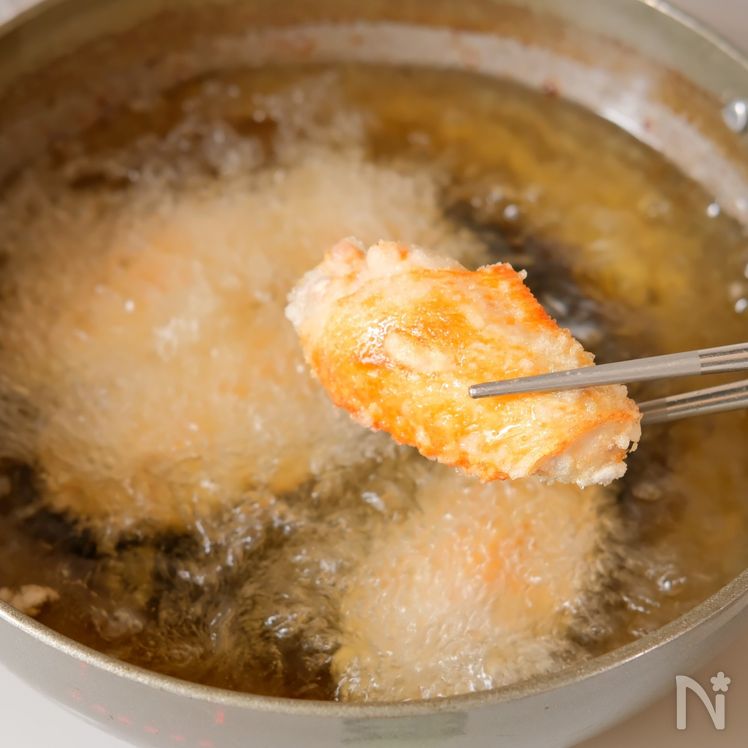
- 10
Fry for another 2–2 ½ minutes until golden brown and crispy. Transfer to a wire rack and let it sit for 3–4 minutes.
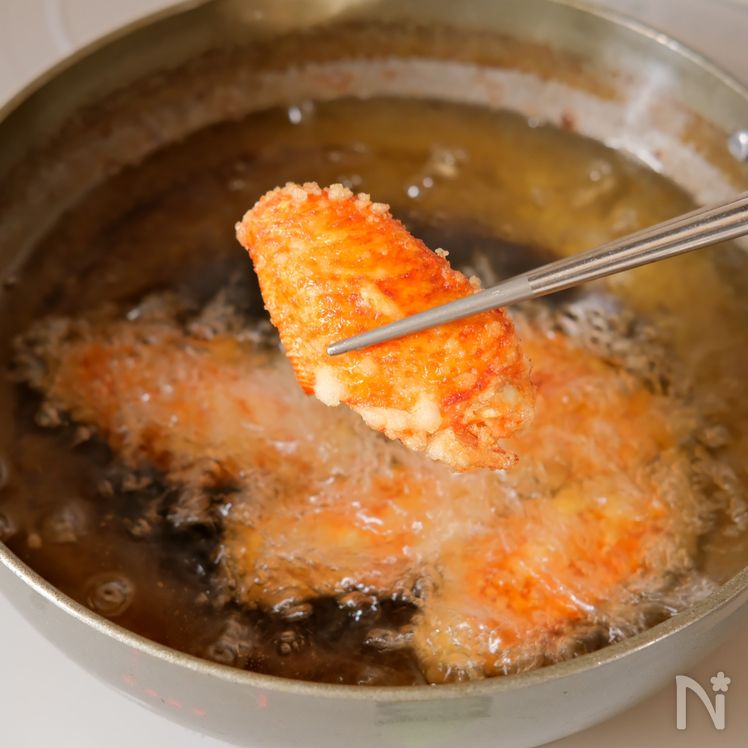
- 11
Dip the fried chicken into the sauce from Step 6: dip skin-side once, flip and dip once, dip skin-side once more, and flip and dip once more. Return the chicken to the wire rack. (Do not immerse and leave the chicken in the sauce.)
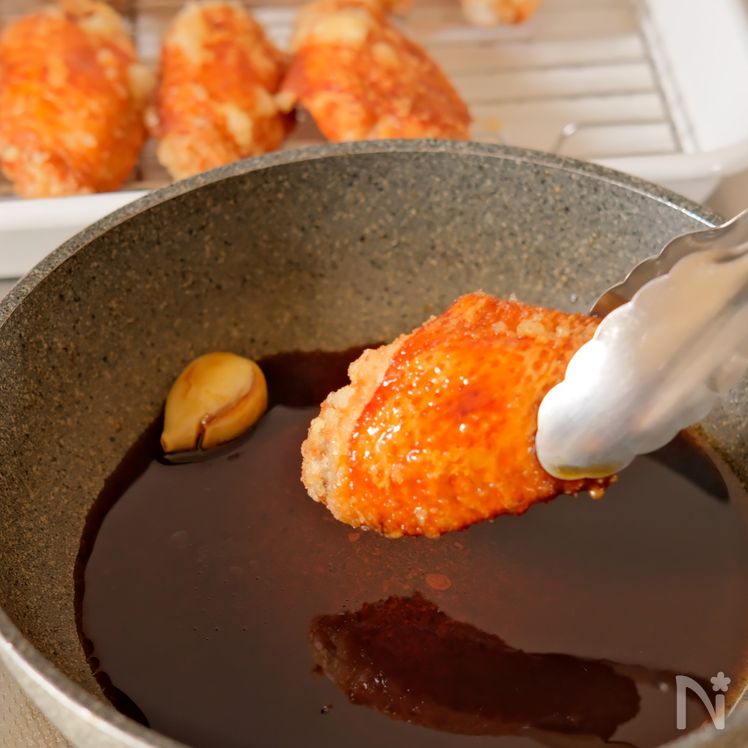
- 12
Sprinkle with white toasted sesame seeds and serve on a plate. Sprinkle with additional pepper if desired.
RecipeID
721
Tips & Notes
・Substitution: If using chicken wing mid-joints (tebachu half-cut), you can make 15–20 pieces with the same amount of seasoning. The frying time should be about 30–40 seconds shorter. Chicken drumettes (tebamoto) cannot be substituted as the cooking method is entirely different.
・Poking a hole in the skin prevents the skin from tearing in the hot oil and the juices from spurting out when the chicken is cooked through.
MY RATING
Sign up or log in for free to submit your reviews!
GET STARTEDREVIEWS
Be the first to review!
"I’m a fun-loving chef and devoted foodie, so captivated by Hokkaido’s incredible variety of ingredients that I decided to make it my permanent home. I’ve been living here for 20 years. In spring, I forage for wild vegetables; in summer, I camp; in autumn, I hunt for mushrooms; and in winter, I ski. I’m an active explorer who chases seasonal flavors and gourmet experiences all across Hokkaido—even if it means spontaneous long-distance trips. My motto is: “If the night is fun, tomorrow will surely be even better!” I focus on creating recipes for flavorful appetizers that liven up the evening and hearty main dishes that make you want to keep reaching for more rice."