
Harusame (Glasnudeln) sind dünne, durchscheinende Nudeln, die in ganz Asien wegen ihrer glatten Textur und ihrer Fähigkeit, Aromen aufzunehmen, beliebt sind.
Sie stammen aus China vor mehr als tausend Jahren und sind als Fěnsī bekannt. Sie werden typischerweise aus Mungbohnenstärke hergestellt und sind widerstandsfähig gegen Überkochen, was einen festen Biss bietet.
In Japan wurde Harusame in der Kamakura-Zeit eingeführt, verbreitete sich aber erst im frühen 20. Jahrhundert mit im Inland hergestellten Versionen aus Kartoffel- oder Süßkartoffelstärke.
Ihr Name, der „Frühlingsregen" bedeutet, spiegelt die sanfte, zarte Natur der Nudeln wider.
Sie sind glutenfrei, kalorienarm und leicht verdaulich—ideal für gesundheitsbewusste Esser.
Diese herzhafte, sättigende Suppe ist gefüllt mit zarten Hühnerfleischbällchen und viel Chinakohl.
Dank der Zugabe von Tofu und Semmelbröseln bleiben die Fleischbällchen unglaublich weich und locker—köstlich und budgetfreundlich!
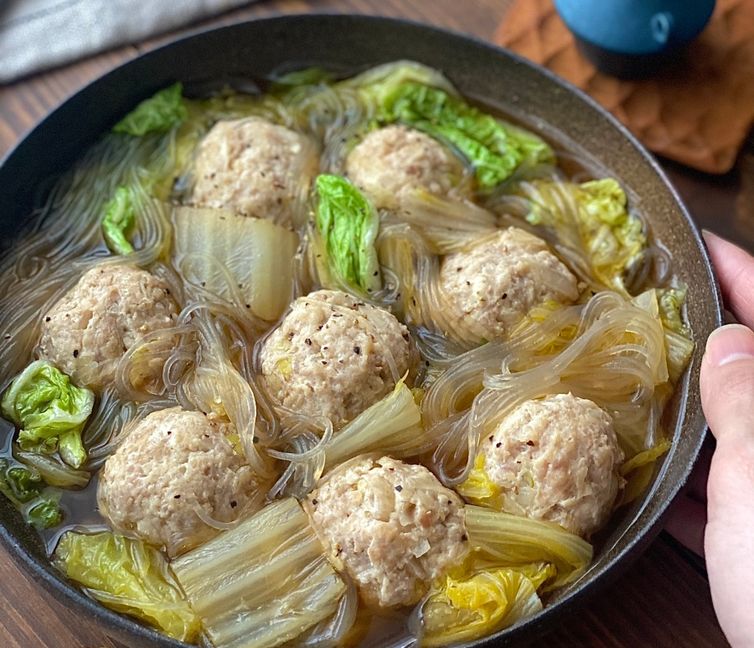
20 Minuten

Chiori
PROFIL
ZUTATEN
PORTIONEN 4
Das Originalrezept (1X) ergibt 4 Portionen
Beim Anpassen des Rezepts müssen die Verhältnisse einiger Zutaten möglicherweise leicht angepasst werden. Passen Sie nach Bedarf an und würzen Sie nach Geschmack.
- 1/4 head napa cabbage (chopped)
- 5 1/4 oz silken or firm tofu (pressed and drained)
- 1/3 a stalk of Japanese long onion (finely chopped)
- 2/3 pound ground chicken
- 1 3/4 oz mung bean vermicelli
- A2 pinchs of salt
- A2 pinchs of sugar
- A1/2 tsp. chicken bouillon granules
- A1 tbsp. Japanese mayonnaise
- B1/4 tbsp. freshly-grated ginger
- B2 tbsp. panko breadcrumbs
- C3 3/4 cup water
- C2 tbsp. mirin
- C2 tbsp. soy sauce
- C1 tbsp. chicken bouillon powder
- C2 1/2 tsp. oyster sauce
- C1 tsp. freshly grated ginger
- salt (to taste)
- 1 tsp. toasted sesame oil
- Freshly-ground black pepper (to taste)
ZUBEREITUNG
- 1
Prep ingredients:
Cut napa cabbage into bite-sized pieces. Wrap the tofu in paper towels and microwave at 600W for 2 minutes 30 seconds. Replace the paper towels with clean ones and press the tofu lightly to remove excess moisture. Finely chop the Japanese long onion. - 2
Make the meatball base:
In a large bowl, combine ground chicken, salt, sugar, bouillon, and Japanese mayonnaise. Mix until smooth. Add tofu, long onion, ¾ tsp. grated ginger, and panko. Mix until well combined.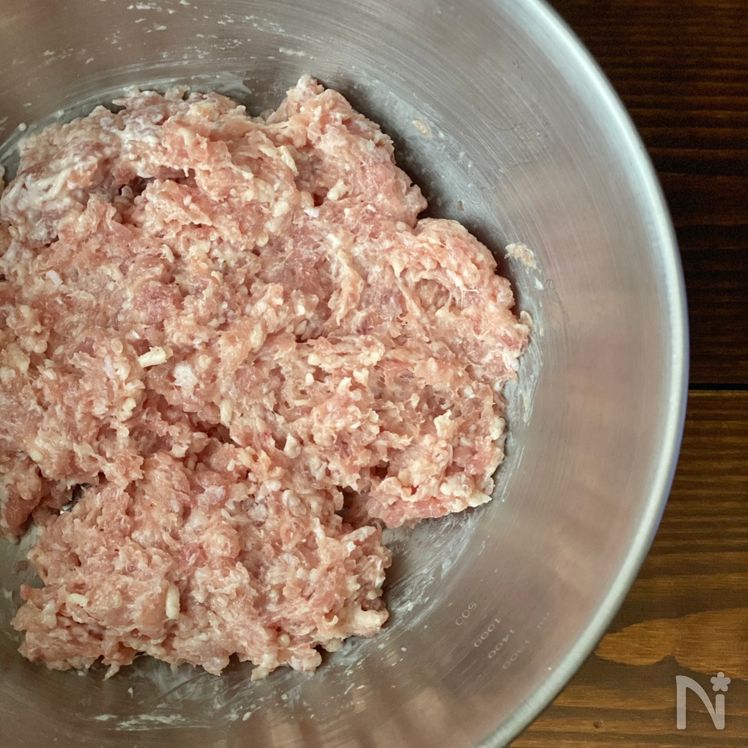
- 3
Cook the base:
In a large pot, bring water to a gentle boil. Add the harder, core pieces of the napa cabbage and all soup base (C) ingredients: water, mirin, soy sauce, bouillon, oyster sauce, and 1 tsp. ginge. Simmer over medium-high heat for 2–3 minutes.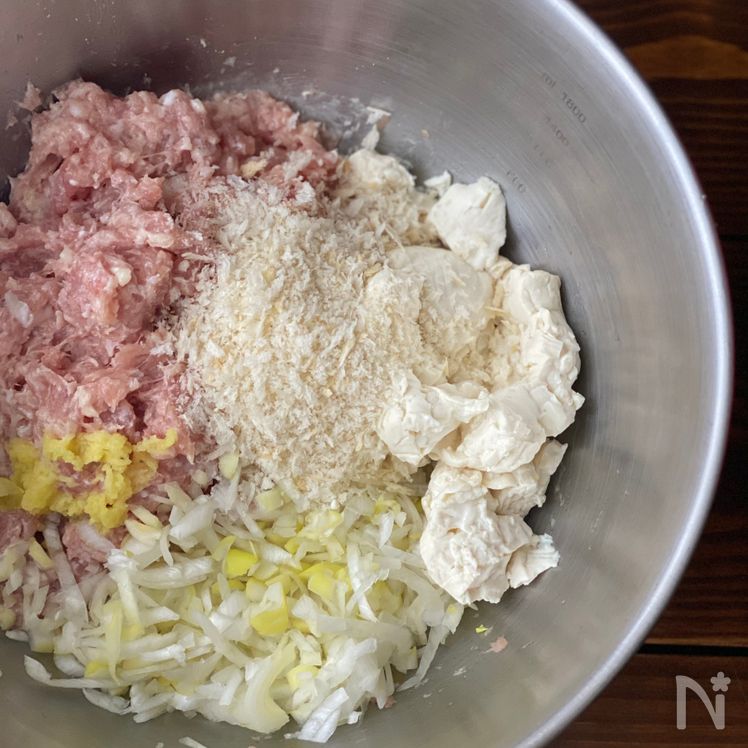
- 4
Add meatballs:
Form the chicken mixture into balls and gently add to the soup. Simmer until fully cooked, about 5–7 minutes.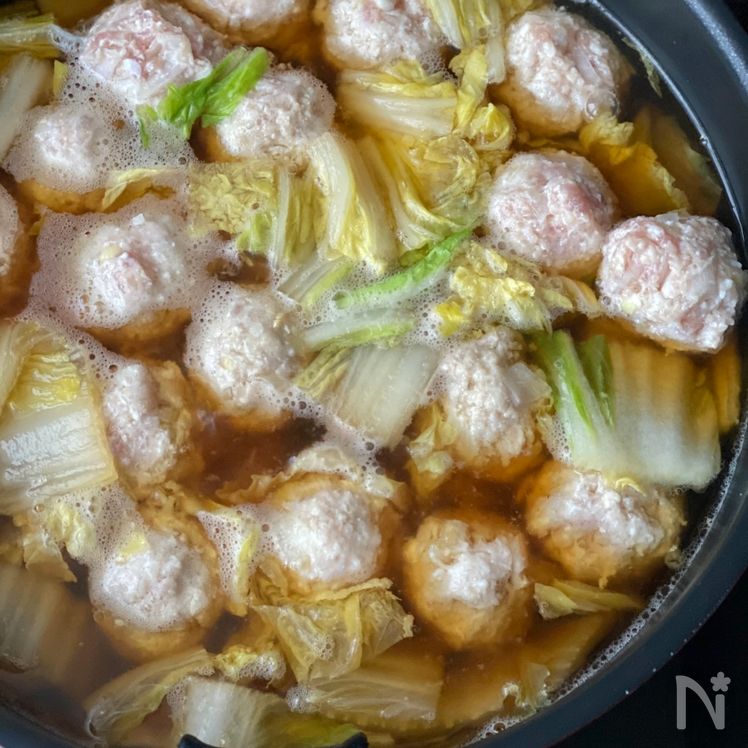
- 5
Add noodles and cabbage leaves:
Add the remaining cabbage leaves and mung bean vermicelli. Simmer until the noodles are tender. Taste and adjust with salt as needed. Stir in sesame oil.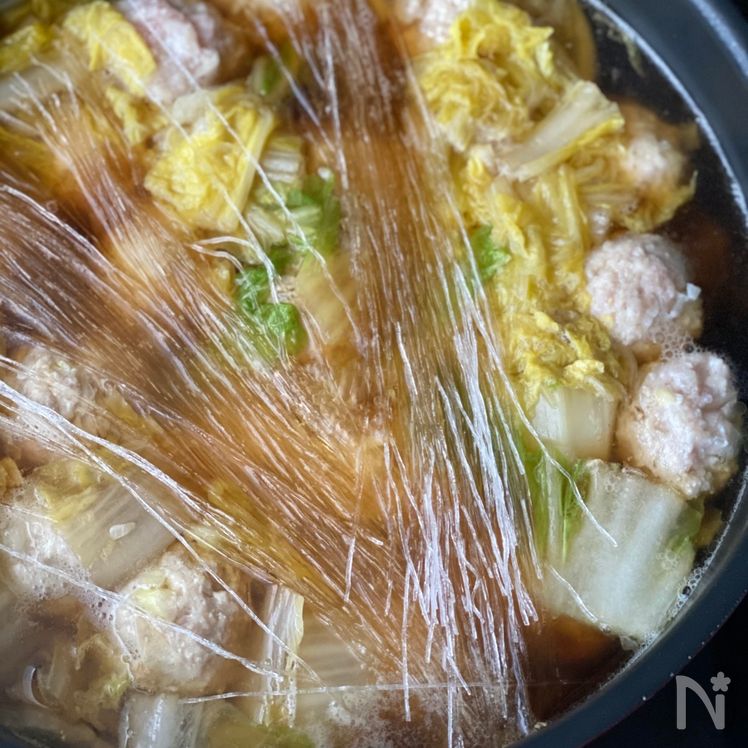
- 6
Serve:
Ladle into bowls and top with freshly ground black pepper. Serve hot.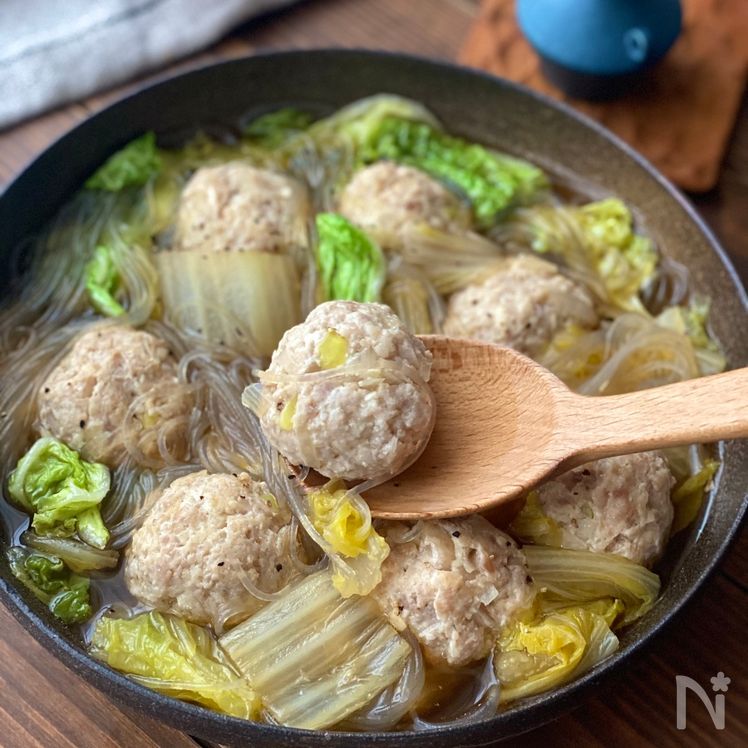
Rezept-ID
99
Tipps & Hinweise
・ Sowohl Seidentofu als auch fester Tofu funktionieren.
・ Für Kinder die Fleischbällchen kleiner formen und sicherstellen, dass die japanische Lauchzwiebel vollständig gegart ist.
・ Die Menge des Chinakohls kann auf 700 g (1,5 lb) erhöht werden.
MEINE BEWERTUNG
Registriere dich oder melde dich kostenlos an, um deine Bewertung einzureichen!
LOSLEGENBEWERTUNGEN
Sei der Erste, der eine Bewertung abgibt!
I live in Sapporo, Hokkaido, and I’m a mother of two daughters who both love to eat. As a working mom, my realistic, everyday recipes have resonated with many, and as of May 2024, I’m grateful to have over 380,000 followers on Instagram. Thank you so much for your support! From a homemaker’s perspective, my motto is to create recipes that make families happy and help busy women. I share dishes that can be made even more delicious with just a small twist using seasonings you already have at home. Along with recipes, I also post daily tips on cooking techniques to enhance flavor and handy food storage methods that make life in the kitchen easier.